
When Is the Best Time to Paint Outside?
Timing is everything for exterior painting. Learn the ideal weather conditions, best seasons, and time of day to paint your home's exterior for lasting results.

The Perfect Painting Weather
Exterior paint needs specific conditions to adhere properly and cure correctly. Along with timing, proper exterior surface prep is critical. Paint outside these ranges and you risk peeling, cracking, and an uneven finish.
Ideal Conditions
- Temperature: 50-85°F (10-29°C)
- Humidity: Below 50%
- Wind: Light (under 15 mph)
- No rain: For at least 24 hours before AND after painting
- Dry surfaces: No morning dew or recent rain
Check a 3-day weather forecast before starting. You need dry conditions not just on paint day, but for 24-48 hours afterward while the paint cures.
Best Season by Region
Northern States (Cold Winters)
Best: Late May through September The shoulder seasons (May and September) often provide ideal temperatures without summer heat extremes.
Southern States (Hot Summers)
Best: March through May, or October through November Avoid peak summer — temperatures above 90°F cause paint to dry too fast, leading to brush marks and poor adhesion.
Pacific Northwest
Best: July through September The dry summer window is narrow but perfect for painting.
Southwest (Desert)
Best: October through April Avoid summer heat. Early morning painting works best when you do paint in warmer months.
Best Time of Day
Morning (After Dew Evaporates)
Start painting after morning dew evaporates, usually by 10 AM. Surfaces must be completely dry.
Follow the Shade
Paint the side of the house that’s currently in shade. Direct sunlight causes paint to dry too quickly, leading to brush marks, blistering, and poor adhesion.
Stop Before Dusk
Stop painting by 4-5 PM to give the paint time to set before evening humidity and cooler temperatures arrive.
What Happens If You Paint in Bad Weather?
| Condition | Result |
|---|---|
| Too hot (above 90°F) | Paint dries too fast, brush marks, blistering |
| Too cold (below 50°F) | Paint won’t adhere, cracking, peeling |
| Too humid (above 85%) | Slow drying, sagging, mildew growth |
| Rain within 24hrs | Paint washes off or bubbles |
| Direct sun | Uneven drying, lap marks |
| Windy (above 15mph) | Debris sticks to wet paint, uneven application |
If rain is forecast within 4 hours of painting, do not start. Even light rain on fresh paint can ruin an entire day’s work and require repainting.
Recommended Products
Here are the top-rated products we recommend for exterior painting projects:
- Graco Magnum X5 Airless Sprayer — Fast, professional exterior coverage to make the most of your ideal weather window
- Purdy XL Elite Dale Angular Brush — Premium angled brush for detail work on trim and edges
- Wooster Sherlock Roller Frame — Durable roller frame that handles long exterior painting sessions
- Trimaco SuperTuff Canvas Drop Cloth — Heavy canvas drop cloth to protect landscaping and walkways
Planning Your Project
- Check the extended forecast (7-10 days) and choose the best exterior paint for your project
- Pick a stretch of 3+ dry days
- Gather all supplies with our essential painting tools checklist before your weather window
- Start with the north and east sides (they dry fastest)
- Save the south and west sides for cooler parts of the day
Why “50°F to 85°F” Is the Real Rule
The temperature range matters because of how exterior paint cures. Acrylic latex paints are formulated with a minimum film-formation temperature (MFFT) typically around 45-50°F. Below that, the paint particles don’t fuse together properly — the paint may look fine when applied but cracks and chalks within a year. Above 90°F, the surface skins over before the paint underneath can flow out, leaving lap marks, brush strokes, and uneven texture.
Newer “low-temp” formulations (Sherwin-Williams Resilience, Benjamin Moore Aura Exterior) extend the cold-weather window down to about 35°F if you’re chasing the last warm-up day before winter. Read the can label — never assume the standard 50°F minimum applies to every exterior paint.
How Surface Temperature Differs from Air Temperature
The most common timing mistake is checking the air temperature and ignoring the surface. Dark-colored siding can reach 130°F+ in direct sun even on a 75°F day, far above paint’s safe application range. Pale or shaded surfaces stay much cooler. Practical rule: feel the wall with your hand. If it’s warm-but-not-hot to touch (under ~95°F), you’re fine. If it stings or you can’t keep your palm flat against it, wait for shade or paint a different elevation.
Spring vs Fall — The Detail Most Guides Skip
Both spring and fall offer mild temperatures, but they’re not equivalent for exterior paint:
- Spring has rising temperatures, lower humidity, and a forgiving curing window. Best for full repaints. Risk: late frost or a wet spring delays your start date.
- Fall has falling temperatures, more humidity, shorter daylight, and dew that lingers later in the morning. Best for touch-up jobs and small projects. Risk: an early cold snap stops the job mid-project, and the paint that’s already on can’t cure properly.
If you have a choice, late spring (May-June in northern states, March-April in the South) is the optimal painting window of the year.
FAQ
Can I paint if rain is forecast for tomorrow? Depends on the type. Most exterior paints are rain-resistant 2-4 hours after application — meaning a brief rain after that window won’t ruin the job, though it may slow curing. Heavy rain within 4 hours will wash paint off. Always check the paint label for the manufacturer’s specific rain-resistance window.
What about painting in the morning when there’s still dew? Wait until dew evaporates fully — usually by 9-10 AM in summer, later in shoulder seasons. Even an invisible film of moisture on the surface destroys adhesion. Test by wiping a small area with the back of your hand: it should feel dry, not cool or slightly damp.
Is winter painting ever possible? In milder climates (zones 8-10), yes — the 50-85°F window is hit on most clear winter days. In colder zones, only with low-temp paint formulations and only when surface temps stay above 35°F for the next 36 hours. Most pros simply don’t paint exteriors in true winter — the schedule risk is too high.

Home & Outdoor Reviews Editor
Ava Brooks is the Home & Outdoor Reviews Editor. She covers major product categories including tools, furniture, lawn and garden equipment, and practical home accessories. Her goal is to simplify product research with clear comparisons, useful buying guides, and straightforward recommendations for everyday use.
Related Articles
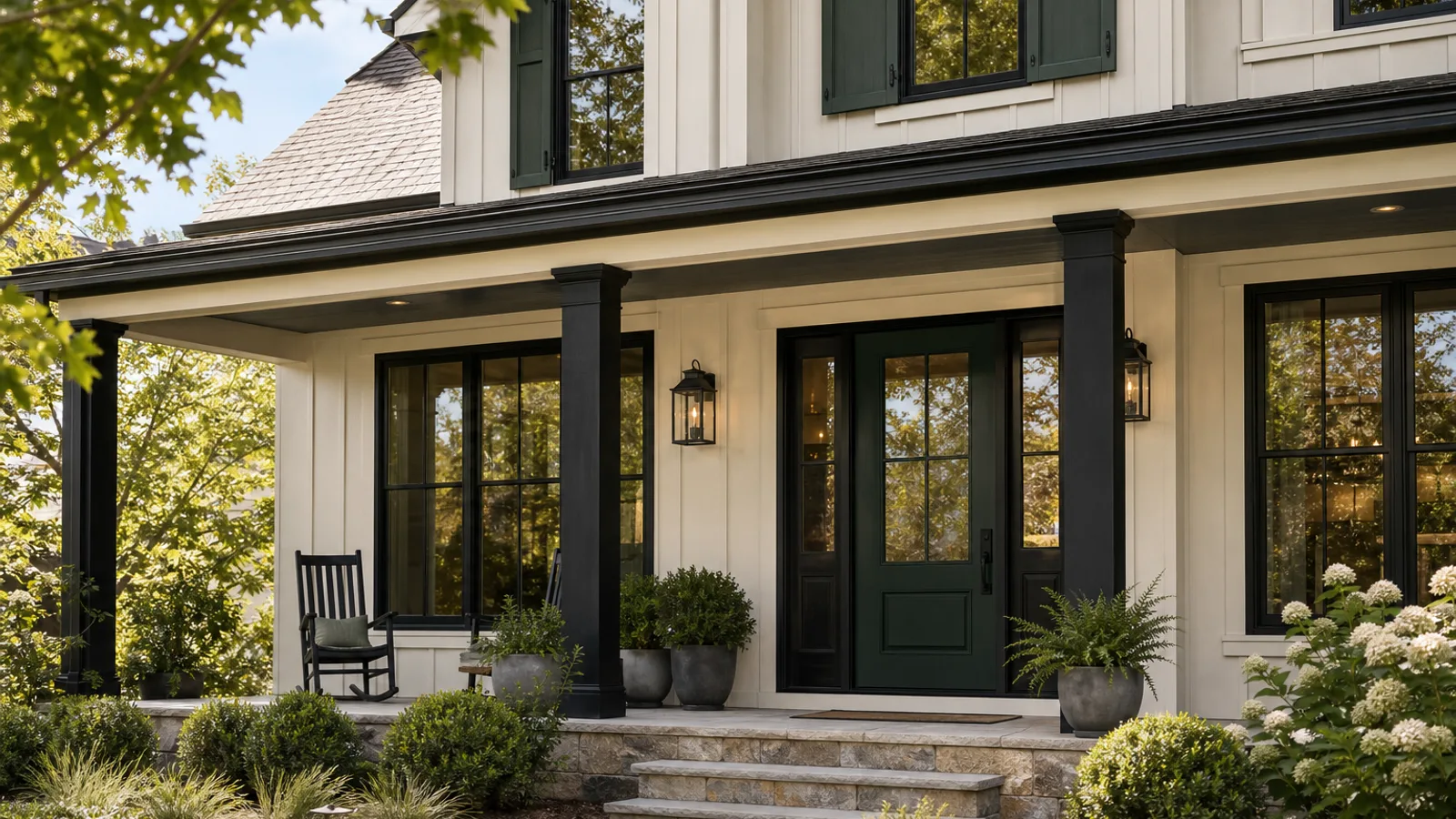
Best Black Green Exterior Accent Colors in 2026
Black-green exterior accents add depth without the flat look of pure black. These are the shades that work best on shutters, doors, trim, and porch details.
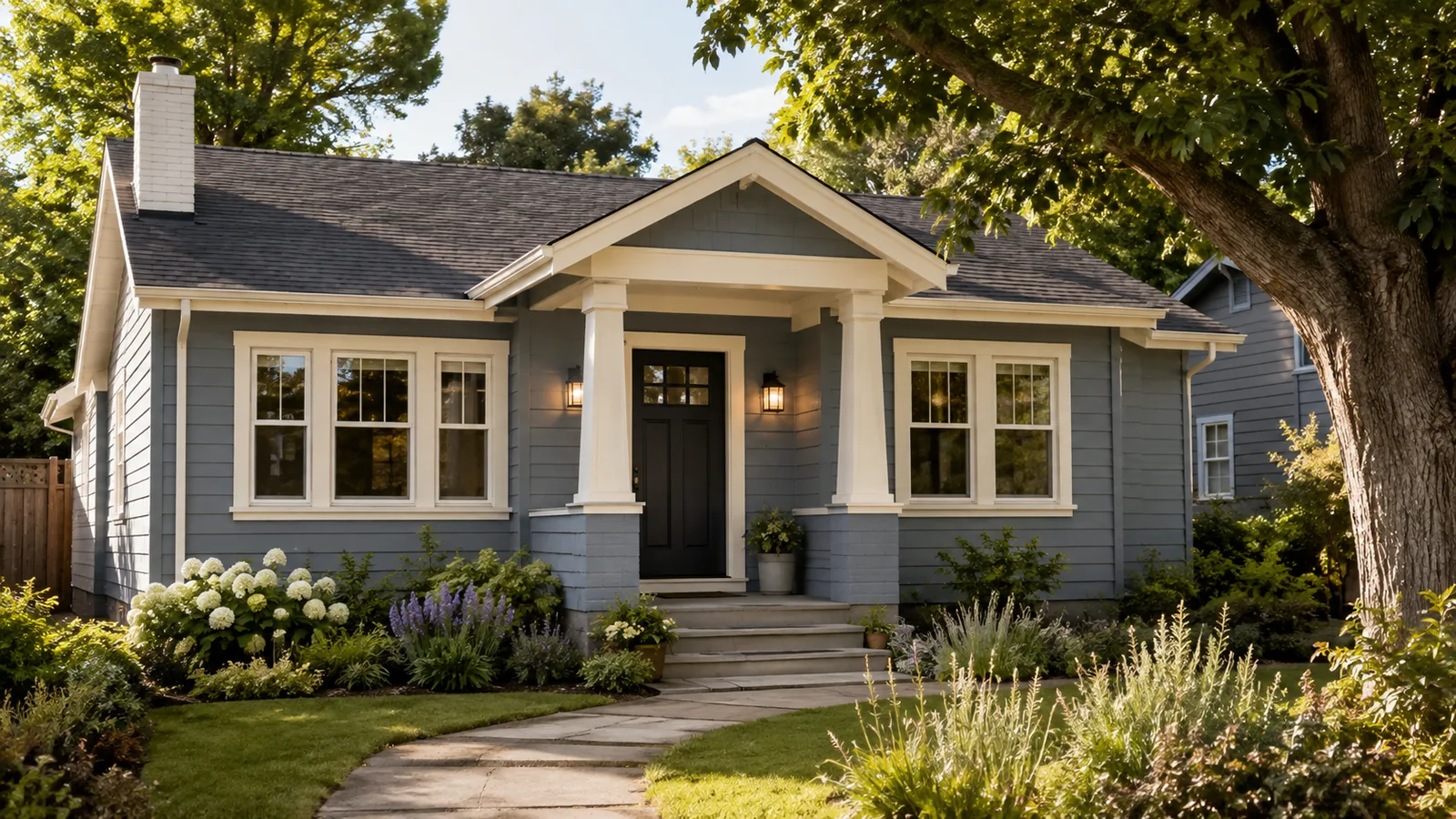
Best Exterior Paint Colors for Curb Appeal in 2026
The best exterior paint colors for curb appeal depend on roof tone, brick, and contrast. These 2026 directions are the safest place to start.
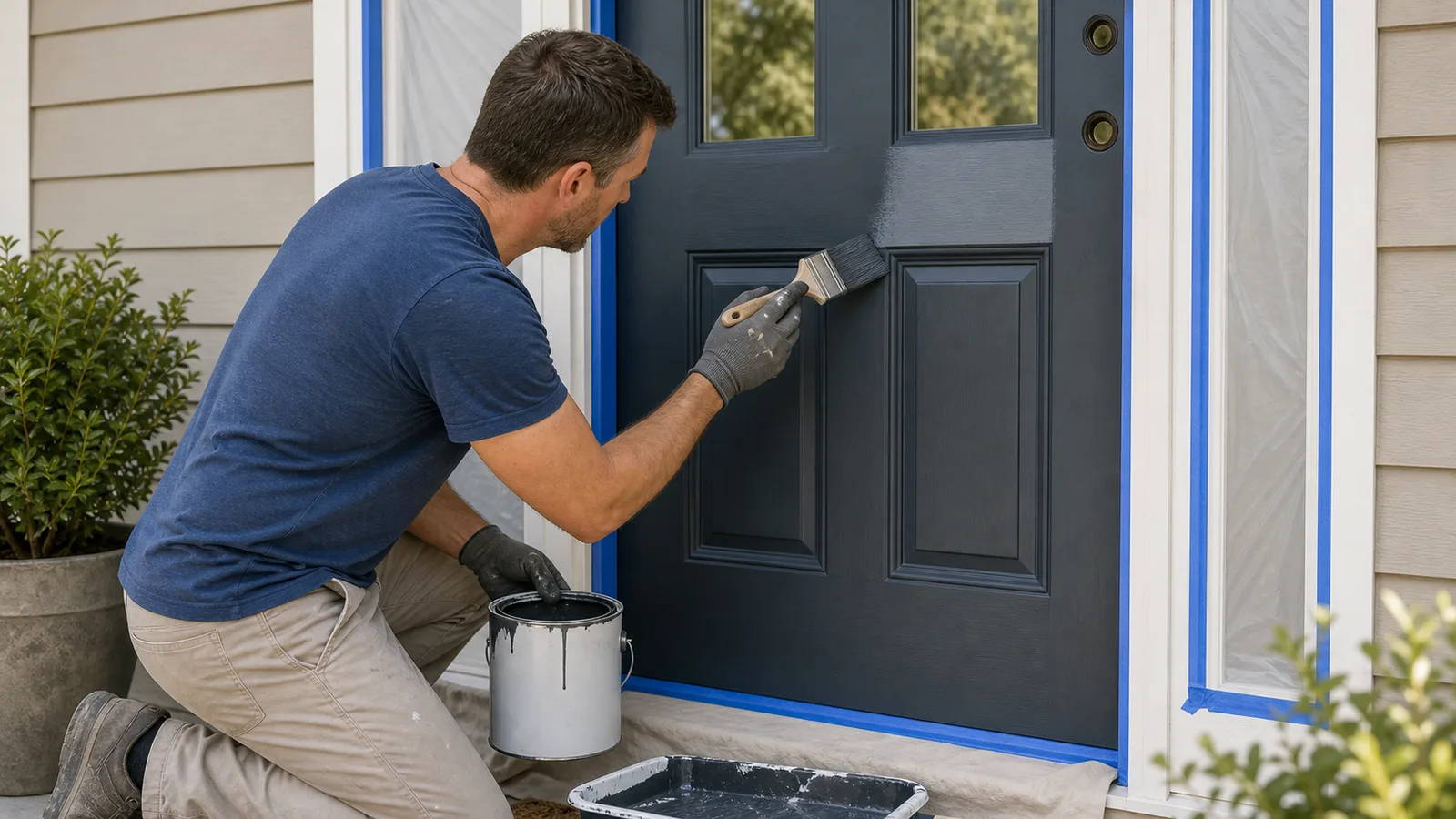
Best Paint for Front Doors in 2026
Front door paint needs harder durability than most trim, plus a color that survives full sun and weather. These paint picks and finish rules work best in 2026.