
Color Capping Paint Trend 2026: How to Get It Right
Color capping is the lower-risk 2026 alternative to color drenching. Learn where it works, which shades to choose, and the tools that keep the lines clean.


Tools & Materials Needed
- paint samples
- painter's tape
- 2.5-inch angled brush
- 3/8-inch roller cover
- drop cloth
- sanding sponge
AI-generated editorial illustration; not a product test photo or an exact paint color sample.
Why Color Capping Is the 2026 Paint Trend to Watch
Color capping is the practical middle ground between a basic accent wall and a full color-drenched room. Instead of painting every surface one exact shade, you build a tonal cap: lighter walls, a deeper ceiling or crown zone, and trim that either bridges the two or repeats the strongest shade. It gives the room the same wrapped, designer look as color drenching, but it is easier to live with and easier to repaint later.
For DIYers, the make-or-break detail is not the color. It is the edge control. If the ceiling line, crown molding, or upper wall band bleeds, the whole effect looks accidental. Start with better tape before you spend money on premium paint.
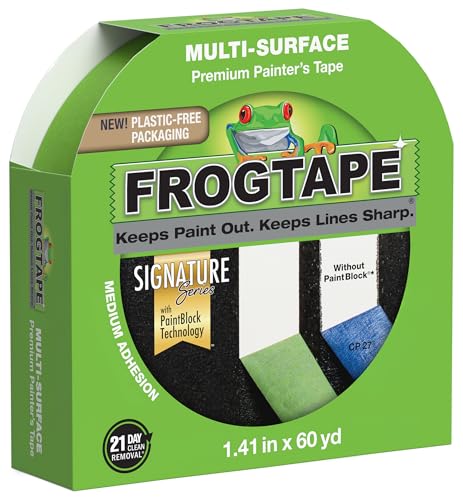
FrogTape Multi-Surface Painter's Tape
A reliable tape choice for the clean transition lines that make color capping look intentional instead of improvised.
Pros
- Sharp paint lines on wall-to-ceiling transitions
- Easy to find in single rolls or multipacks
- Good fit for accent bands, trim, and baseboards
- Works well with latex wall paint when removed on time
Cons
- Can lift weak existing paint
- Costs more than basic blue tape
As an Amazon Associate we earn from qualifying purchases. Check Amazon for current price and availability.
Editorial trend evaluation, not a hands-on lab test. We screened current US design coverage, PaintLikePro internal content gaps, affiliate fit, and DIY failure points before publishing this guide.
- Evaluation type
- Trend + buyer-intent screen
- Primary keyword
- color capping paint trend 2026
- Affiliate fit
- Painter's tape, angled brushes, rollers, paint samples
- Hands-on status
- No lab-test claim is made on this page
- SuccessThe topic complements existing color-drenching and painted-ceiling content without targeting the same exact search intent.
- NoteSources agree that bolder, more emotional color is gaining ground, but exact search volumes vary by platform.
- LimitationColor capping depends heavily on room architecture; flat drywall boxes need a simpler version than rooms with crown molding.
What Color Capping Means
Color capping uses related shades to create a gradual shift from wall to ceiling. A common version looks like this:
- Walls in the lightest shade
- Crown molding, picture rail, or top 12-18 inches of wall in a mid-tone
- Ceiling in the deepest shade
- Trim either matched to the wall for a softer look or matched to the cap for more drama
Real Simple described color capping as a 2026 standout because it gives homeowners a lower-commitment way to use stronger color. Good Housekeeping is tracking a related “gradient layering” idea, where designers use several tones from the same family across walls, ceilings, trim, and built-ins. Pinterest’s 2026 palette points the same direction: people are moving toward stronger colors with mood, not quiet gray-on-gray rooms.
The key is restraint. If the room has five unrelated colors, it is color blocking. If the shades sit in one family and the transitions feel deliberate, it is color capping.
Best Rooms for Color Capping
Color capping works best in rooms that have a clear top edge. Crown molding is perfect, but you can still do it with a taped band below the ceiling.
Best candidates
Bedrooms are the safest first project because the effect feels calm when the palette is tonal. Dining rooms work well because a darker ceiling adds intimacy at night. Powder rooms are ideal if you want a bolder ceiling color without committing a large open-plan space. Home offices and reading nooks also benefit because the ceiling color can make the room feel focused.
Rooms to avoid
Skip color capping in open-plan living/kitchen spaces unless there is a natural stop point like a beam or cased opening. The technique needs boundaries. It also struggles in rooms with popcorn ceilings, heavy orange-peel texture, or uneven wall-ceiling lines, because the transition draws attention to every flaw.
If your room is a plain drywall box with no molding, use a simple 12-inch cap band rather than trying to fake elaborate architecture. Clean and quiet beats fussy.
2026 Color Palettes That Work
Choose a family first, then choose the depth. Do not pick the ceiling color in isolation.
Warm neutral cap
Use oatmeal, mushroom, khaki, and warm greige. This is the easiest route for living rooms and rental-friendly bedrooms. Try a light warm neutral on walls, a slightly deeper taupe band near the ceiling, and a soft mushroom ceiling.
This palette fits the broader 2026 shift away from cold gray and toward warm, earthy rooms. It also gives you resale flexibility because it reads designed, not experimental.
Smoky green cap
Use sage, jade, olive, or blue-green. Pinterest’s 2026 palette highlights jade, while US paint trend coverage keeps pointing to dark greens and blue-greens as livable color choices. For a balanced version, use a soft sage wall, a smoked green cap, and a deeper green-gray ceiling.
This is the best option for bedrooms, offices, and dining rooms with wood furniture.
Plum or espresso cap
Use mauve, plum-brown, oxblood, or espresso. This is the moodiest version and the easiest to overdo. Keep the walls muted and let the deepest color live overhead or on the crown zone. If the walls are already dark, the cap loses its contrast and becomes full color drenching.
Cool blue cap
Use powder blue, slate blue, or blue-green. A cool blue cap can make low rooms feel fresher, especially when paired with warm white walls. Avoid bright primary blue; it turns juvenile quickly.
The Step-by-Step Method
Pick One Anchor Color
Choose the mid-tone first. This is usually the color for crown molding, a picture rail, or the upper wall band. From there, choose one lighter shade for walls and one deeper shade for the ceiling. Keep all three colors from the same paint brand when possible so undertones stay predictable.
Sample the Three Shades Together
Paint large samples on poster board or directly on two walls and the ceiling. View them in morning light, afternoon light, and with lamps on. If the ceiling shade looks black at night, go one step lighter before you buy gallons.
Prep the Edge Line First
Clean the wall-ceiling junction, sand bumps, and patch dents before taping. A color cap is an edge-focused project; old paint ridges and dust under the tape will show. Press tape down with a plastic putty knife rather than your finger.
Paint the Ceiling Before the Walls
Roll the deepest shade on the ceiling first. Let it dry fully before taping below it. If you reverse the order, ceiling drips can land on your finished wall color and force touch-ups.
Brush the Cap Line, Then Roll Away From It
Use a 2.5-inch angled brush at the taped edge, then roll the cap area while the brushed paint is still wet. Pull the roller away from the tape instead of pushing paint into the seam. That small habit reduces bleed-through.
Remove Tape Before the Final Coat Fully Cures
Pull the tape back on itself at a 45-degree angle while the paint is dry to the touch but not fully hardened. If the edge starts lifting, score lightly with a sharp utility knife and keep moving slowly.
The Brush That Makes the Cap Line Cleaner
Painter’s tape handles the straight line, but the brush still controls how much paint reaches that line. A floppy brush overloads the edge and pushes paint under the tape. A controlled angled brush lets you feather paint toward the tape, then roll the rest of the surface.
Common Mistakes
The first mistake is using too much contrast. A cream wall and nearly black ceiling can work in a dramatic dining room, but in most bedrooms it looks like the ceiling is pressing down. Move in one or two shade steps, not five.
The second mistake is choosing colors from different undertone families. A green-gray ceiling over a pink-beige wall can look muddy because one shade is cool and the other is warm. If you are unsure, stay on one paint strip.
The third mistake is taping too soon. Fresh latex paint can feel dry and still be weak underneath. Give the first color more dry time before taping over it, especially in humid rooms.
The fourth mistake is ignoring sheen. For most color-capping projects, use flat or matte on the ceiling, eggshell on walls, and satin on trim. The slight sheen shift gives dimension without creating a hard visual break.
When to Choose Color Capping vs Color Drenching
Choose color capping when you want the 2026 mood without painting every door, baseboard, and ceiling the same shade. It is better for renters, resale-minded homeowners, and rooms where full drenching would feel heavy.
Choose color drenching when the room is small, enclosed, and begging for a bolder identity. Powder rooms, libraries, and tiny bedrooms can handle one immersive shade better than large open rooms.
For the full-room version, read how to color-drench a room. If the ceiling is the main feature, read painted ceilings and the fifth-wall trend. For a simpler two-color version, compare two-tone walls.
Buying Checklist
Buy samples before gallons. You need to see all shades together, not one chip at a time. Buy enough tape for the whole perimeter, plus one extra roll. Use a clean 3/8-inch roller cover for walls and a fresh brush for the cap line. If your existing ceiling paint is chalky, glossy, stained, or peeling, budget for primer before color.
For paint gallons, Lowe’s or Home Depot usually make more sense than Amazon because tinting, returns, and local pickup matter. For tape, brushes, roller covers, and small prep supplies, Amazon is often the faster checkout.
Bottom Line
Color capping is the most useful 2026 paint trend for homeowners who like color drenching but do not want the whole-room commitment. Keep the palette tonal, give the room a clear top boundary, and spend money on edge-control tools before decorative extras. A clean cap line is what makes the trend look expensive.
FAQ
Is color capping the same as color drenching? No. Color drenching usually uses one color across walls, trim, doors, and ceiling. Color capping uses related shades, often with a deeper tone on the ceiling or upper wall area.
Can I color cap a room without crown molding? Yes. Tape a clean band 12-18 inches below the ceiling, or paint only the ceiling and the top wall return if the room has one. Without molding, keep the design simple.
What paint sheen should I use for color capping? Use flat or matte on the ceiling, eggshell on walls, and satin on trim or molding. This keeps the color family connected while giving the room subtle depth.
What is the safest first room for color capping? A bedroom, powder room, dining room, or home office is safest because each has clear boundaries. Avoid open-plan rooms unless beams or openings create a natural stopping point.
Do I need special tape for the ceiling line? You need clean tape more than special paint. Use a painter’s tape that seals well on your surface, press it down firmly, and remove it before the final coat fully cures.
Sources
Product Testing Editor
Maya Bennett is the Product Testing Editor. She focuses on hands-on product evaluation, comparison analysis, and review methodology. Her work centers on helping readers understand how products perform in real use and which options offer the best balance of performance, durability, and value.
Related Articles
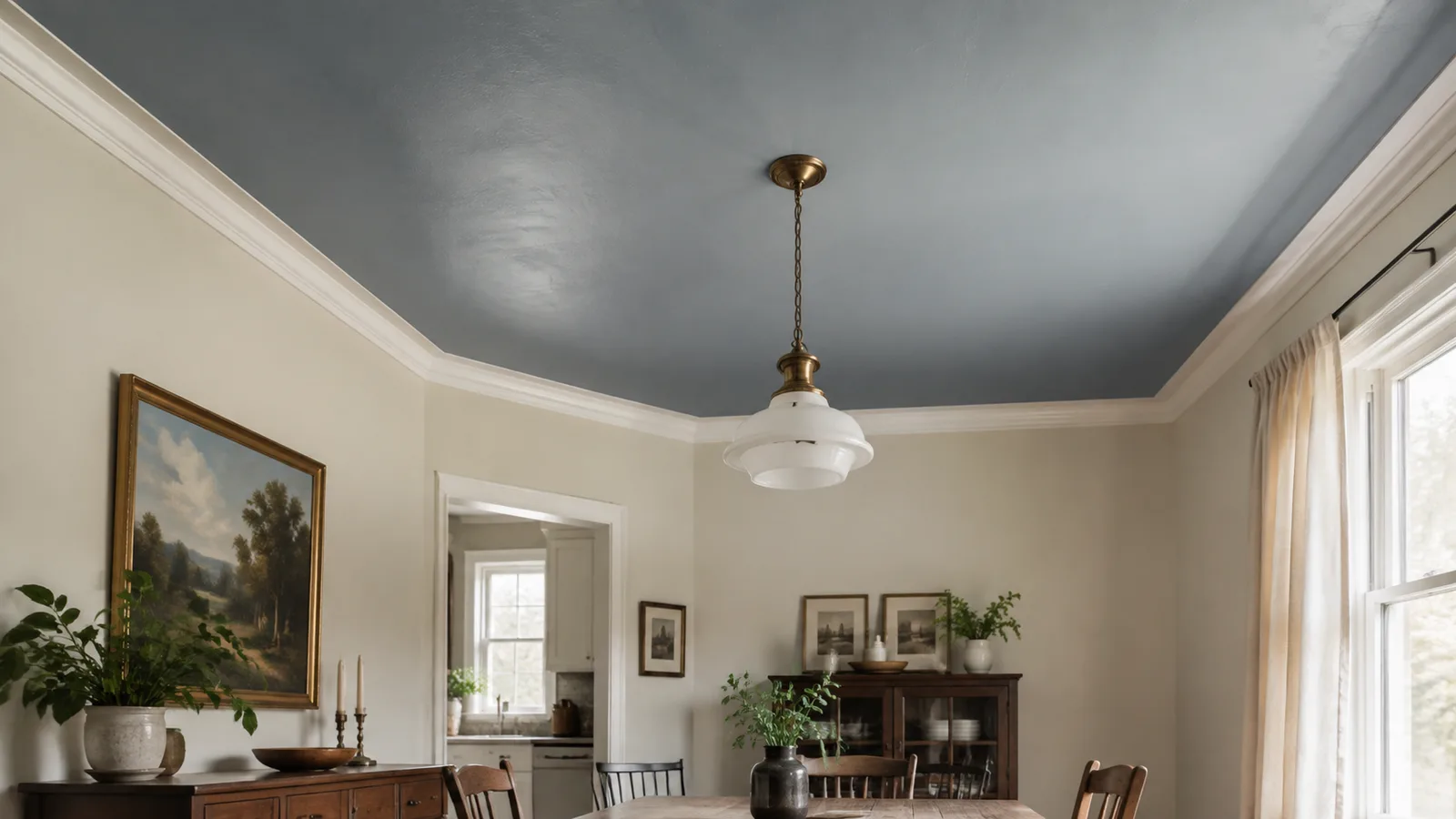
Painted Ceilings: The Fifth-Wall Trend Reshaping 2026 Rooms
Painted ceilings, also called the fifth wall, are the boldest 2026 design trend. Best colors, sheen pairings, and where it works vs falls flat.
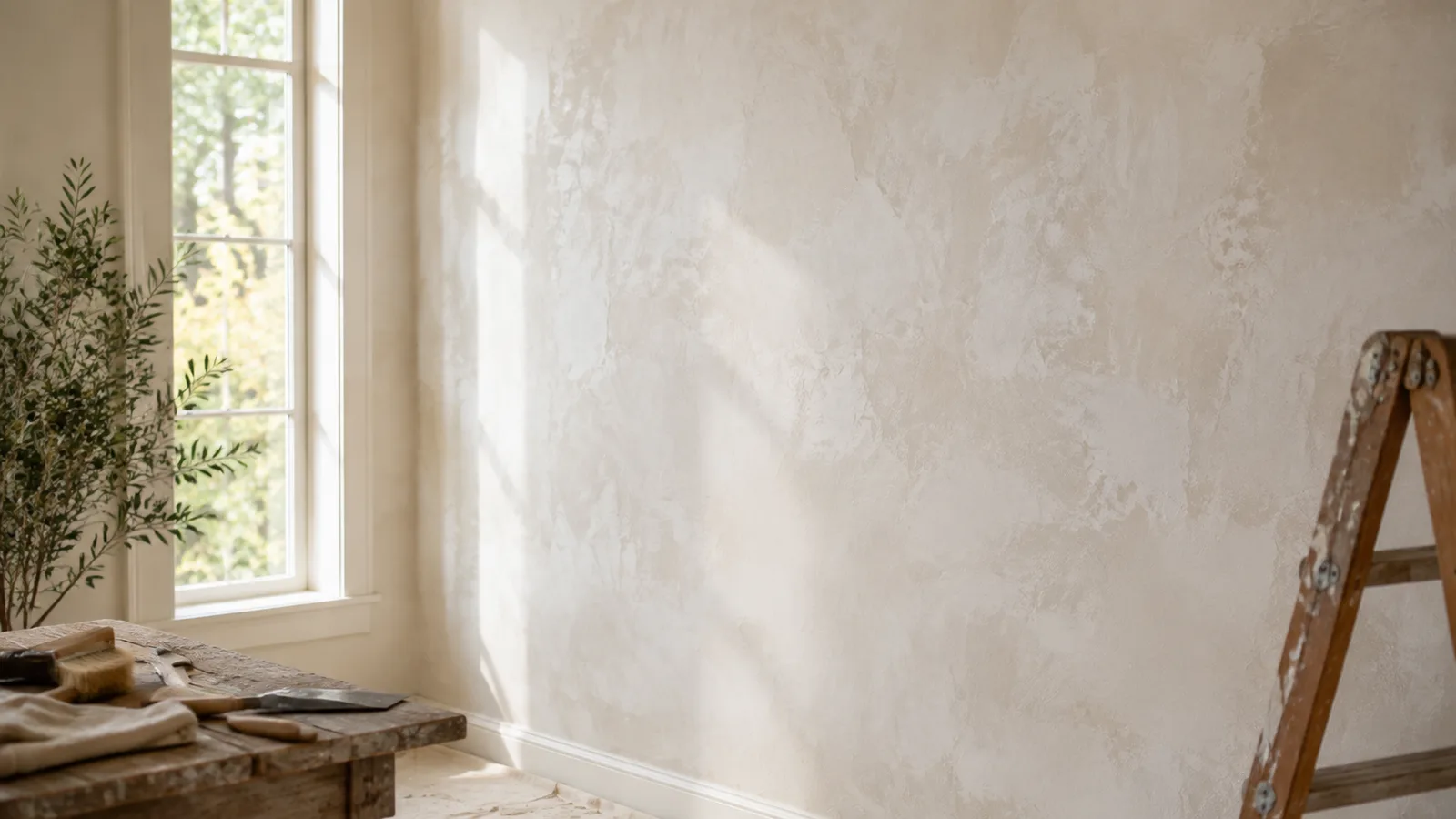
Limewash Walls: The Pinterest 2026 Tutorial Walkthrough
Limewash is the matte mineral paint behind 2026 Pinterest trends. Step-by-step tutorial, paint matches, and the technique that prevents streaks.
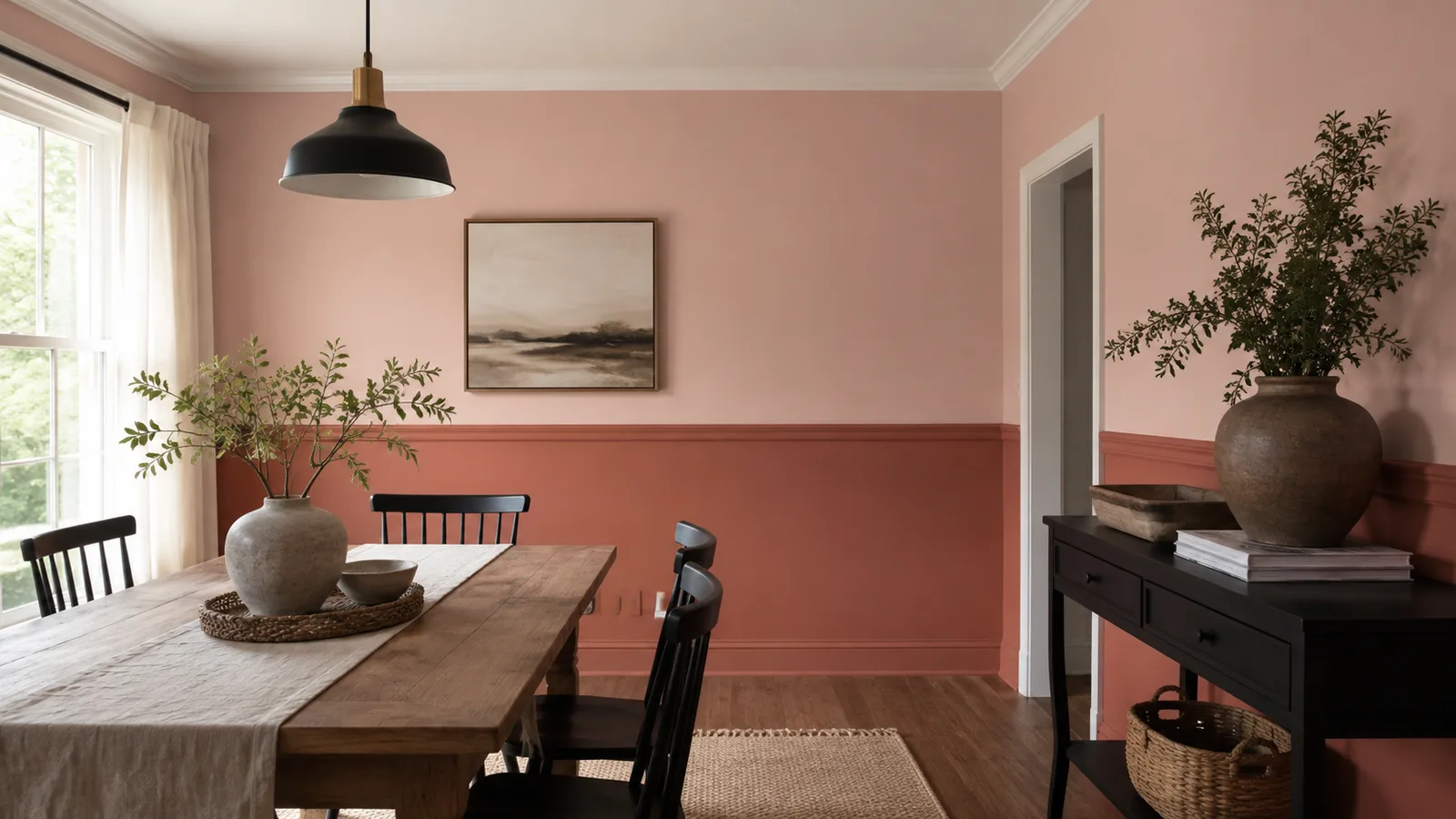
Two-Tone Walls: The 2026 Trend Adding Drama to Rooms
Two-tone walls — split horizontally with two colors — are the 2026 trend rooting modern interiors. Where the line lives, color pairings, and the right tools.