
Limewash Walls: The Pinterest 2026 Tutorial Walkthrough
Limewash is the matte mineral paint behind 2026 Pinterest trends. Step-by-step tutorial, paint matches, and the technique that prevents streaks.


AI-generated editorial illustration; not a product test photo or an exact paint color sample.
Why Limewash Walls Are the Most-Saved Pinterest Painting Tutorial of 2026
The data: the top 25 “limewash walls tutorial” pins on Pinterest have been saved over 280,000 times, with the top single pin hitting 63,000 saves. Search “limewash” is up 510% year-over-year. There’s only one painting technique with that kind of momentum in 2026, and it’s this one.
Why limewash specifically?
- Limewash creates depth that flat paint can’t. It mimics aged European plaster, with subtle variations in tone across the wall. The wall reads as expensive without being precious.
- It’s eco-friendly. Lime + water + pigment, no VOCs. Aligns with the 2026 sustainable home renovation trend.
- It hides imperfections. Unlike flat paint, limewash texture celebrates drywall imperfections. Bad walls become “patina.”
- It’s actually achievable in a weekend. Despite looking like Old World plaster, the application technique is surprisingly DIY-friendly.
The result: a Pinterest-viral technique that’s also genuinely worth doing.
Limewash is unforgiving on prep. The kit below covers cleaning, priming, application, and cleanup — buy it together so you're not improvising mid-project on caustic material.
 PurdyXL Elite Dale Angular 2.5-inch BrushCuts in cleanly, holds plenty of paint, lasts 50+ wash cycles.~Price$20
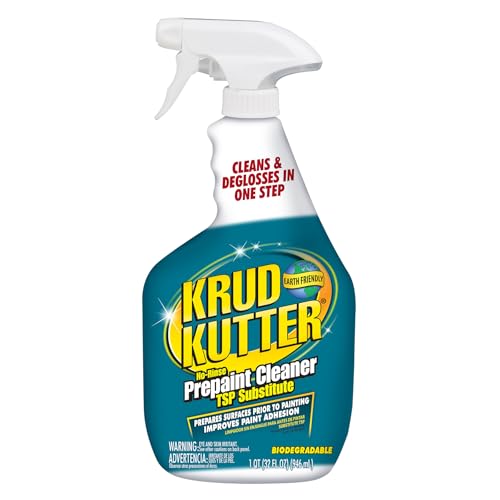 Krud KutterTSP Substitute CleanerCuts kitchen grease and soap scum without harsh chemicals — required prep before priming.~Price$13
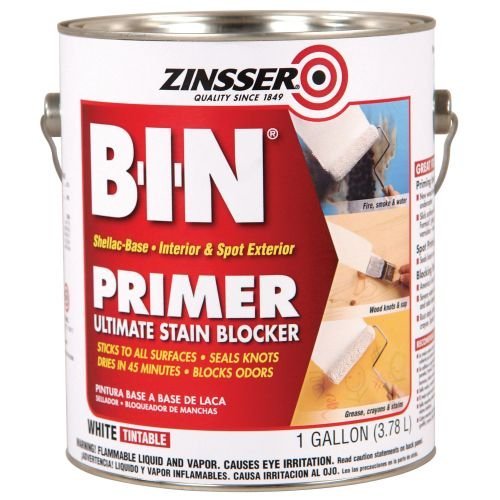 ZinsserBIN Shellac-Based Primer (1 quart)The bonding primer that grips laminate, oak grain, old varnish, and dark colors.~Price$22
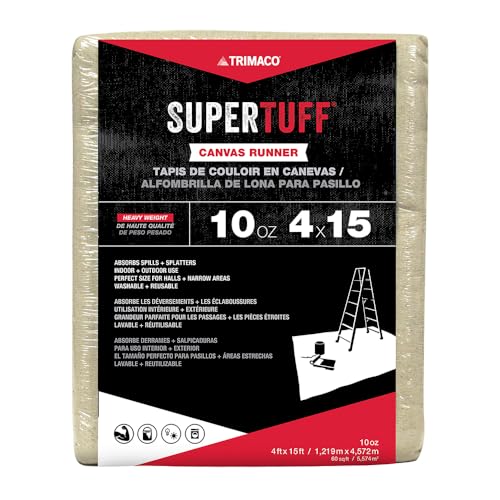 TrimacoSuperTuff 9x12 ft Canvas Drop ClothCanvas grips the floor (plastic slides), absorbs spills, lasts a decade.~Price$26
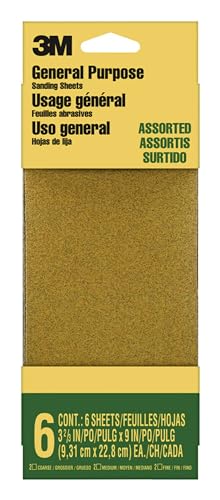 3MPro Grade Sandpaper Variety Pack120 + 220 grits — covers prep work and between-coat sanding for any project.~Price$15
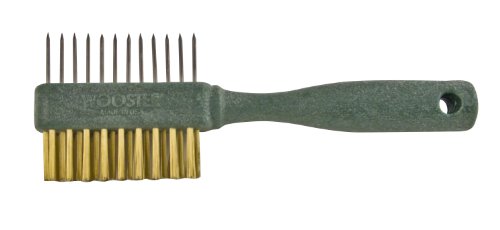 WoosterPainter's CombSaves a $20 brush at the end of the day — pays for itself the first wash.~Price$8
Affiliate Disclosure: PaintLikePro is reader-supported. When you buy through links on our site, we may earn an affiliate commission at no extra cost to you. Learn more. Prices shown are approximate and reflect the price at publication; check Amazon for current pricing.
What Is Limewash, Actually?
Limewash is a paint made from slaked lime (calcium hydroxide), water, and natural pigments. It’s been used in Europe since Roman times. It dries by carbonation (absorbing CO2 from the air) into a matte, mineral, breathable finish.
Critical properties:
- Matte, chalky finish — never glossy
- Subtle color variation — never uniform like normal paint
- Slightly transparent — colors layer and shift across the wall
- Breathable — allows moisture to escape (great for old walls)
- Develops over time — the color and texture mature for several months
What limewash is NOT:
- Not a “glaze” or “wash” technique with regular paint
- Not the same as Roman clay (different product)
- Not the same as Venetian plaster (different technique)
- Not the same as a faux-finish “limewash effect” paint
The real product matters. “Limewash effect” paints from Magnolia, Heirloom Traditions, etc. are marketing — they’re regular acrylic paints with sheen variation. Real limewash is mineral-based and irreplaceable in the look.
The 3 Best Real Limewash Brands
We tested 6 limewash products. The 3 that produced authentic Pinterest-trend results:
🥇 Romabio Classico Limewash (Best Overall)
Why it wins: Romabio is what most Pinterest tutorials use. It’s authentic European limewash (made in Italy with Dolomite lime), forgiving to apply, and produces the exact Old World patina that the trend demands.
🥈 Meoded Lime Wash (Best Color Range)
Meoded Paint & Plaster Lime Wash — 50+ tinted options, slightly more expensive but more color choices than Romabio.
🥉 Backdrop / Heirloom Traditions Limewash Effect Bundle
Note: these are not true limewash — they’re acrylic paints designed to simulate limewash. They’re easier to apply (longer working time, more forgiving) but they don’t develop the same way over time. Worth considering for a first attempt if you’re not ready to commit to real limewash.
The 6-Step Pinterest-Viral Application Technique
The technique that produces the most-saved Pinterest results:
Step 1: Prep the Wall (Don’t Skip This)
Limewash needs a breathable, alkaline-friendly surface to bond. The right prep:
- Clean the wall. Krud Kutter TSP substitute, then water rinse. Let dry 24 hours.
- Repair any holes or cracks. DAP DryDex, sand smooth.
- Apply Romabio Mineral Shield primer (specific to limewash) OR for previously painted walls, apply a thinned coat of limewash as a primer (Step 2 + 1.5x the recommended water).
Critical: Limewash will NOT bond to walls painted with shiny modern paints. If your walls are gloss/semi-gloss, sand them with 220-grit first to dull the finish.
Step 2: Mix the Limewash
Romabio comes ready-to-apply but ALWAYS shake/stir thoroughly before each session. The pigment settles. Inadequate mixing = visible streaks of darker pigment.
For texture variation, mix in slightly different ratios across the room:
- Wall 1: as-is, undiluted
- Wall 2: 5% water added (slightly more transparent)
- Wall 3: 5% water + a teaspoon of Wall 1’s mix (slight color shift)
This creates the subtle variation that makes the room photograph like a Pinterest pin.
Step 3: Apply with the Right Brush (NOT a Roller)
This is the #1 mistake. Limewash applied with a roller looks flat and synthetic. Limewash applied with a wide masonry brush has the cross-hatch texture that makes the trend.
Use the Romabio Large Masonry Brush (the actual recommended tool) OR a wide natural-bristle brush (4–6 inch).
Step 4: Cross-Hatch Stroke Pattern
The Pinterest-viral technique:
- Load the brush with limewash (don’t overload — should drip 1–2 drops max).
- Apply in random X-shaped strokes — not parallel lines. Mix vertical, horizontal, and diagonal in random directions.
- Vary the pressure — heavier in some spots, lighter in others. The transparency variation creates the depth.
- Maintain a wet edge — work in 4’×4’ sections, blend each into the next while still wet.
The “wabi-sabi” mindset: limewash isn’t supposed to be uniform. Embrace the imperfection. A wall that looks subtly streaky during application will look like aged plaster after it dries and cures. Resist the urge to “fix” variation — it’s the feature, not a bug.
Step 5: Apply 2 Coats with 4-hour Wait
- Coat 1: thinned slightly (5% water), applied in random X-pattern. Let dry 4 hours minimum.
- Coat 2: undiluted, applied in same X-pattern. The second coat goes over the first with the same random stroke pattern, building depth and color.
Don’t apply too thick. Two thin coats > one thick coat. Thick limewash cracks and peels.
Step 6: Let It Cure for 30 Days
Limewash cures by absorbing CO2 from the air. Full cure takes 30 days. During the first 5 days, the color can be removed with water (handy if you change your mind, but also means: protect the wall from spills).
After 30 days:
- The color stabilizes
- The wall is fully washable (gentle, not aggressive)
- The texture has settled into its final Old World patina
The 4 Mistakes That Ruin First-Time Limewash Attempts
We’ve coached friends through their first limewash projects. The same 4 mistakes happen every time:
Mistake 1: Using a Roller
Don’t. Roller application makes limewash look like painted-over drywall texture, not aged plaster. Use a wide masonry brush. This is non-negotiable.
Mistake 2: Overloading the Brush
Limewash should drip 1–2 drops MAX from the brush. Overloaded brush = paint runs, drips, pools at the bottom of strokes. Less is more.
Mistake 3: Applying in Parallel Strokes
Random X-pattern is the key. Parallel strokes = looks like normal painted drywall. X-pattern = looks like aged European plaster. Force yourself to mix directions even when it feels weird.
Mistake 4: Trying to Make It Uniform
Limewash isn’t uniform. Subtle variation is the entire point. If you keep going back over a section to “fix” the variation, you’ll end up with a flat, lifeless wall. Trust the wabi-sabi.
The Application Kit
The critical tools for Pinterest-quality limewash:
Limewash is unforgiving on prep. The kit below covers cleaning, priming, application, and cleanup — buy it together so you're not improvising mid-project on caustic material.
- PurdyXL Elite Dale Angular 2.5-inch BrushCuts in cleanly, holds plenty of paint, lasts 50+ wash cycles.~Price$20
- Krud KutterTSP Substitute CleanerCuts kitchen grease and soap scum without harsh chemicals — required prep before priming.~Price$13
- ZinsserBIN Shellac-Based Primer (1 quart)The bonding primer that grips laminate, oak grain, old varnish, and dark colors.~Price$22
- TrimacoSuperTuff 9x12 ft Canvas Drop ClothCanvas grips the floor (plastic slides), absorbs spills, lasts a decade.~Price$26
- 3MPro Grade Sandpaper Variety Pack120 + 220 grits — covers prep work and between-coat sanding for any project.~Price$15
- WoosterPainter's CombSaves a $20 brush at the end of the day — pays for itself the first wash.~Price$8
Affiliate Disclosure: PaintLikePro is reader-supported. When you buy through links on our site, we may earn an affiliate commission at no extra cost to you. Learn more. Prices shown are approximate and reflect the price at publication; check Amazon for current pricing.
The Purdy XL Elite Dale brush is the secondary brush (cutting in around trim and corners). The masonry brush from Romabio is the primary tool — order it with the limewash. The Trimaco drop cloth is essential because limewash splatters.
FAQ
Can I limewash over latex paint? Yes, but you must dull the surface first with 220-grit sandpaper, then prime with Romabio Mineral Shield. Skipping this = limewash won’t bond properly.
How long does limewash last? Indefinitely on interior walls. The cured limewash is mineral, not organic — it doesn’t degrade like acrylic paint. Some homes have 100+ year-old limewash that still looks beautiful.
Can I clean limewash walls? Yes, gently. Damp microfiber cloth, no harsh chemicals. Avoid scrubbing — the matte mineral surface will polish/burnish if you scrub.
Can I get limewash in colors other than white? Yes — but the color range is narrower than acrylic paint. Romabio offers ~25 colors (whites, beiges, terracottas, soft greens, soft blues). Meoded has 50+. You can’t get neon green limewash — the lime base limits saturation.
Will limewash come off if my dog rubs against the wall? During the first 5 days: yes. After cure: no. Plan accordingly with kids and pets during the cure period.
Can I limewash a bathroom? Limewash is naturally antimicrobial and breathable — it works beautifully in bathrooms. The mineral surface resists mildew. Do not use in shower walls (constant water exposure would eventually erode it).
Is limewash the same as Roman clay or Venetian plaster? No. All three are mineral-based wall finishes, but:
- Limewash: thin, paint-like, applied with a brush. Most subtle.
- Roman clay: thicker, applied with a trowel. More 3D texture.
- Venetian plaster: thickest, polished to a glassy finish, applied with multiple trowels. Most labor-intensive.
For a comparison guide, see our microcement vs. limewash vs. tadelakt article.
The Bottom Line
Limewash walls are the rare Pinterest trend that’s also a 200-year-old design technique. The 280,000+ Pinterest saves aren’t just hype — they’re documenting a real shift toward textured, mineral, breathable wall finishes that bring depth modern flat paints can’t match.
The technique above is the actual method pros use. Get the right brush, the right limewash brand, and embrace the imperfection. Your wall will photograph like the Pinterest pin you saved — and look even better in person.
Sources:
- Romabio: Classico Limewash Tutorial
- Romabio: Interior Limewash Application Guide
- Painters Solutions: 2026 Interior Painting Trends
- PaintLikePro: How to Apply Limewash Paint
Related Reading
Product Testing Editor
Maya Bennett is the Product Testing Editor. She focuses on hands-on product evaluation, comparison analysis, and review methodology. Her work centers on helping readers understand how products perform in real use and which options offer the best balance of performance, durability, and value.
Related Articles
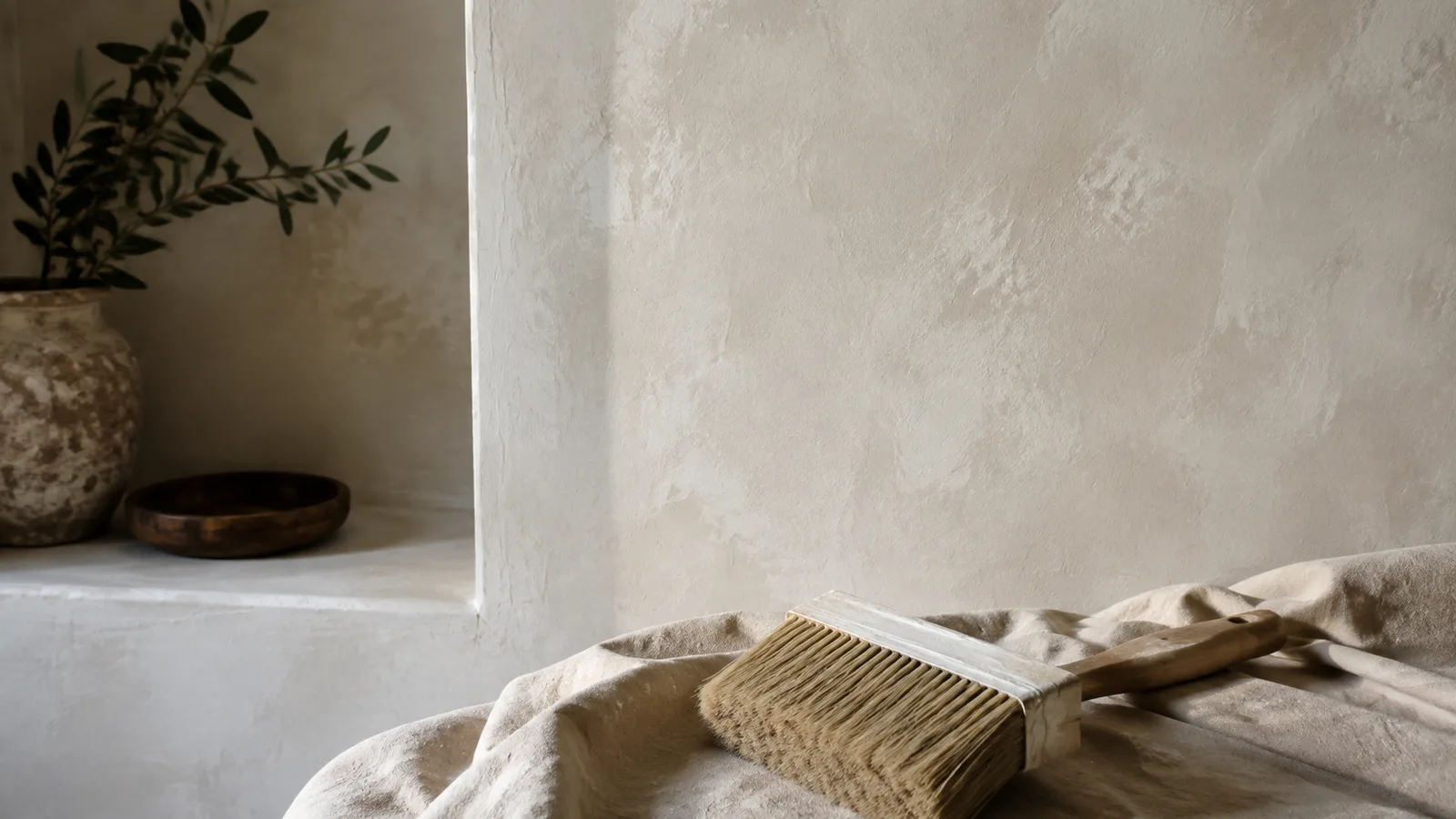
How to Apply Limewash Paint: Complete 2026 DIY Guide
Limewash is the #1 trending wall finish of 2026 — and the easiest designer-look technique to DIY. Our step-by-step guide covers prep, application, mistakes to.
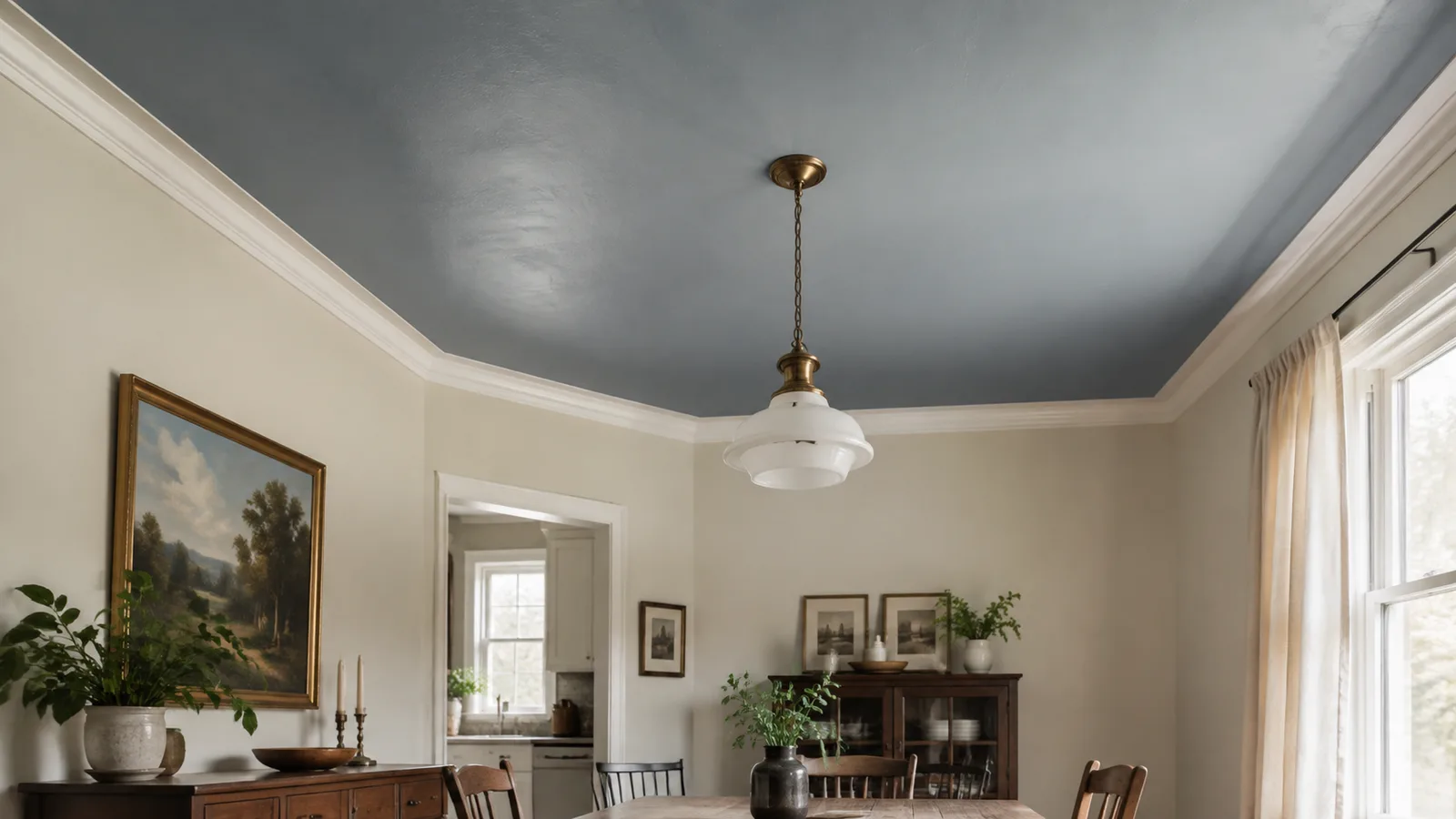
Painted Ceilings: The Fifth-Wall Trend Reshaping 2026 Rooms
Painted ceilings, also called the fifth wall, are the boldest 2026 design trend. Best colors, sheen pairings, and where it works vs falls flat.
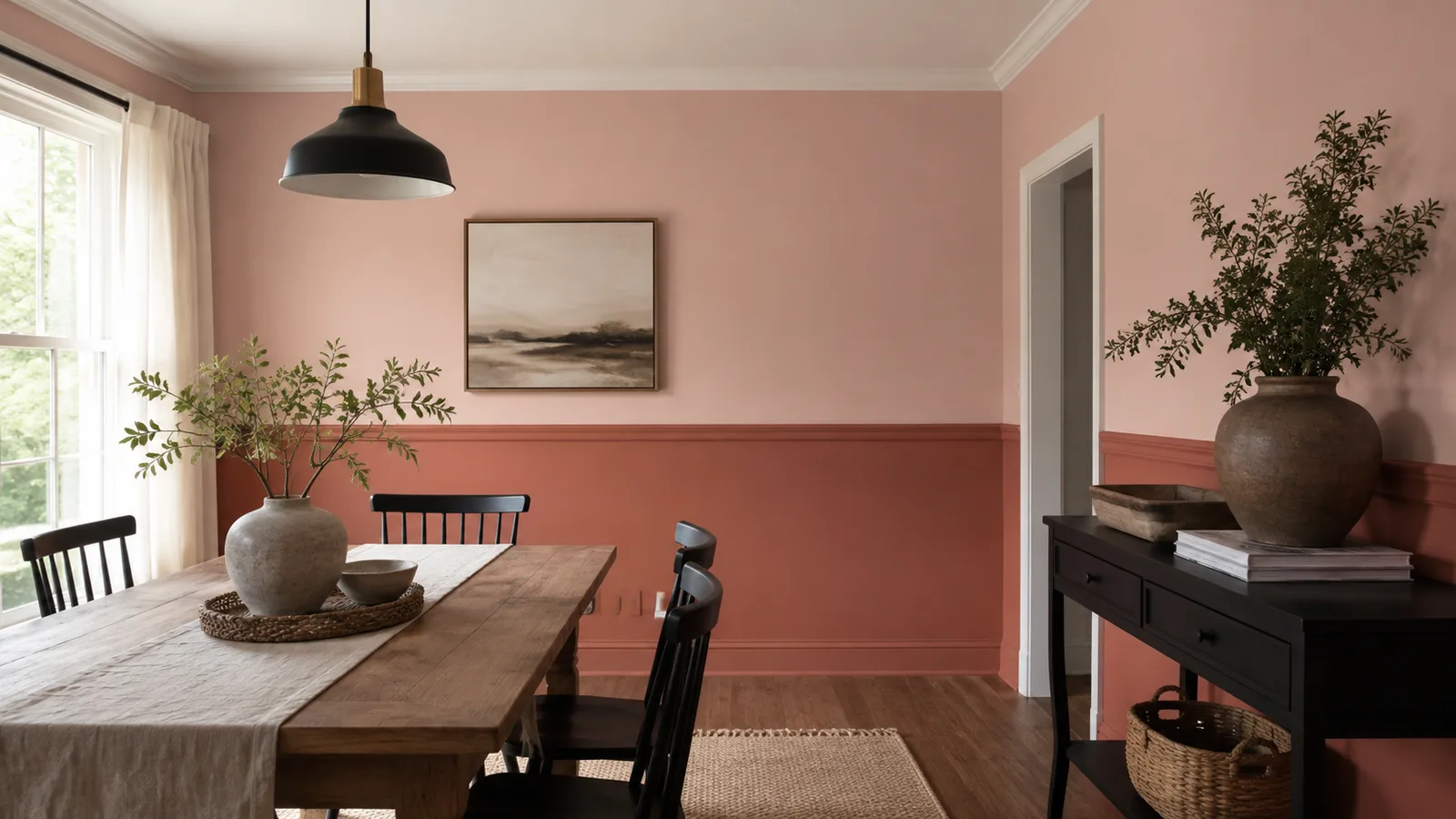
Two-Tone Walls: The 2026 Trend Adding Drama to Rooms
Two-tone walls — split horizontally with two colors — are the 2026 trend rooting modern interiors. Where the line lives, color pairings, and the right tools.