
Microcement vs Limewash vs Tadelakt: The Ultimate 2026 Comparison
Three of the hottest wall finishes of 2026 — compared side-by-side. Price, durability, waterproofing, DIY difficulty, and which one actually belongs in your space.

The Finish Wars of 2026
Scroll Pinterest for ten seconds and you’ll see it: walls that look like weathered Tuscan plaster, seamless concrete spa bathrooms, and soft chalky Mediterranean villas. Three techniques dominate the 2026 interior trend cycle — limewash, microcement, and tadelakt — and homeowners are drowning in conflicting advice about which one to pick.
We’ve applied all three. We’ve stripped all three back off when they failed. And we’ve tested them against the five metrics that actually matter: cost, durability, waterproofing, DIY feasibility, and how the finish ages over time.
Here’s the honest comparison nobody else is publishing.
Quick Comparison Table
| Criteria | Limewash | Microcement | Tadelakt |
|---|---|---|---|
| Cost per sq ft (materials) | $0.50 – $1.50 | $4 – $9 | $6 – $12 |
| Cost per sq ft (pro install) | $3 – $7 | $15 – $30 | $25 – $45 |
| DIY difficulty | Easy (1/5) | Hard (4/5) | Expert (5/5) |
| Time to complete (avg room) | 1 day | 3–4 days | 4–7 days |
| Waterproof? | No | Yes (sealed) | Yes (naturally) |
| Best for wet areas? | No | Yes | Yes (showers) |
| Finish feel | Chalky, cloudy | Seamless, matte | Polished, silky |
| Lifespan | 5–7 years | 15–20 years | 25+ years |
| Our rating | 4.6 / 5 | 4.4 / 5 | 4.8 / 5 |
Don’t pick based on trend alone. The deciding question is almost always “does this room get wet?” — that single factor eliminates limewash from 80% of the comparisons people actually make.
1. Limewash — The Accessible One
Limewash is slaked lime mixed with water and natural pigments. It’s been painted on European villas for 2,000 years. In 2026 it’s everywhere on Pinterest because it’s the only one of the three a beginner can realistically apply — and because it gives walls an instantly lived-in, cloudy depth that flat paint simply cannot fake.
Where limewash wins
- Budget: less than $2 per square foot in materials
- Speed: two thin coats, same day
- Forgiveness: brush strokes are the aesthetic — beginners can’t really mess it up
- Sustainability: absorbs CO₂ as it cures
Where limewash fails
- It’s not washable. A wet sponge lifts pigment.
- It can’t handle steam, splashing, or high-humidity bathrooms.
- On non-porous drywall you’ll need a mineral primer first or it crackles.
Limewash is alkaline (pH ~12). Wear gloves and safety glasses. Never mix it with acrylic paints — it separates and fails within weeks.
2. Microcement — The Modern One
Microcement (also sold as “micro-topping” or “microscreed”) is a thin polymer-modified cement applied in 2–3 mm layers over nearly any substrate — tile, drywall, plywood, concrete. Sealed properly, it creates a seamless, waterproof, continuous surface with no grout lines. It’s the finish behind every “concrete spa bathroom” you’ve saved this year.
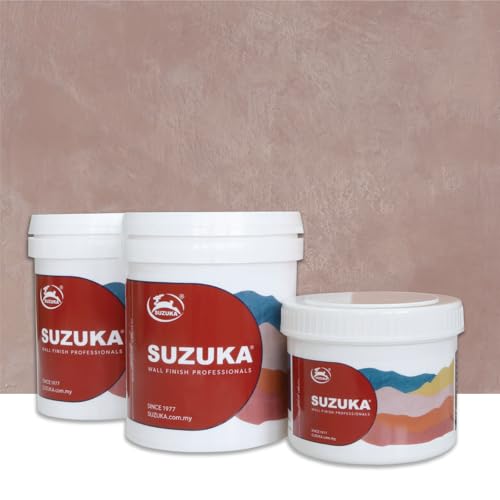
Microtopping by Ideal Work / Smartcret DIY Kit
Smartcret's pre-pigmented kit is the most beginner-accessible microcement system on the US market. You still need patience and a steady trowel hand.
Pros
- Truly waterproof when sealed
- Works over existing tile
- Seamless modern look
- Extremely durable once cured
Cons
- Steep learning curve
- Requires 2 sealer coats
- Tools and prep cost extra
- Cracks if substrate moves
Affiliate Disclosure: We may earn a commission when you buy through this link. Check the retailer for current price and availability.
Where microcement wins
- No grout lines — huge visual upgrade in bathrooms
- Goes over tile — no demolition required
- Durable: 15–20 years typical lifespan
- Design freedom: 40+ pigment colors, matte or polished
Where microcement fails
- Genuinely hard for a first-timer. Budget 2 practice boards.
- Sealer selection matters as much as the cement itself — a bad sealer ruins everything.
- Hairline cracks if the substrate moves (think floors over joists).
Prime with polymer-modified bonder
Every manufacturer has a specific bonding primer. Do not skip this. It’s the difference between a finish that lasts 20 years and one that sheets off in 18 months.
Apply base layer (1 mm)
Trowel a thin, even base coat. Fiberglass mesh embedded at corners and seams.
Apply finish layer (1–2 mm)
Two passes with a steel trowel. Burnish on the second pass for a polished look; leave more texture for matte.
Seal (2+ coats)
Polyurethane or epoxy-based sealer. Let each coat cure 24 h. This is the waterproofing step.
3. Tadelakt — The Masterpiece
Tadelakt is the traditional Moroccan lime plaster polished with river stones and sealed with olive-oil soap. The soap reacts with the lime to form calcium stearate — a naturally waterproof, self-healing surface. It’s what lines the hammams of Marrakech. It’s also the most beautiful wall finish money can buy.
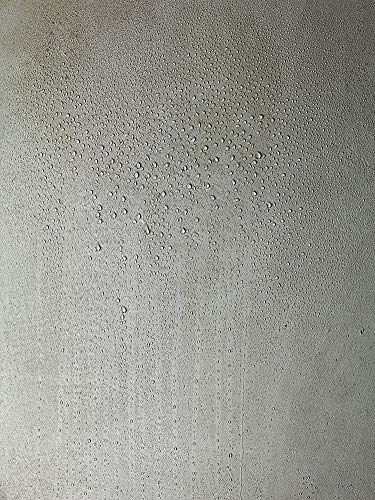
American Clay Tadelakt-style Lime Plaster Kit
Authentic tadelakt uses Moroccan lime from the Marrakech region. American Clay's US-made version approximates the traditional formula and is far easier to source.
Pros
- Naturally waterproof — no sealer
- 25+ year lifespan
- Self-healing hairline cracks
- Incredible depth and glow
Cons
- Highest cost of the three
- Requires pro installer for best results
- Labor-intensive (4-7 days)
- Pigment range limited
As an Amazon Associate we earn from qualifying purchases. Check Amazon for current price and availability.
Where tadelakt wins
- Waterproof without a chemical sealer — the soap-burnishing step creates the seal
- Ages magnificently — develops character over decades
- Zero VOCs — pure mineral finish
- The only truly authentic luxury finish of the three
Where tadelakt fails
- Expensive. Pro install is $25–$45 per square foot.
- Requires a 4–7 day project window (multiple coats, drying, burnishing, soaping).
- Nearly impossible for a true beginner to execute well. Plan on hiring a plasterer.
Head-to-Head by Room
Primary Bathroom / Shower
Winner: Tadelakt. If budget allows. Microcement is the runner-up and the practical choice for 90% of homeowners. Skip limewash entirely.
Powder Room (Feature Wall Only)
Winner: Limewash. Cheap, dramatic, no water exposure. Instant trend impact for under $100.
Kitchen Backsplash
Winner: Microcement. Waterproof, wipeable, seamless. Tadelakt is too soft near cooking heat/splatter.
Living Room / Bedroom
Winner: Limewash. Zero reason to spend 10× more on microcement or tadelakt in a dry room. Save the money.
Whole-Wall Floor-to-Ceiling (any room)
Winner: Microcement. Scale favors its seamless continuity. Limewash on 12-foot walls starts looking blotchy.
Final Verdict
If we had to rank them on overall value against the trends driving 2026:
-
Microcement — Best Overall. Hits the widest range of rooms, handles water, looks modern, gives the “seamless concrete” aesthetic everyone is searching for. If you buy one kit this year, buy this.
-
Tadelakt — Best Luxury Pick. The objectively most beautiful of the three, and the only one that’s waterproof without a chemical sealer. But the budget and skill ceiling are real.
-
Limewash — Best DIY Value. Not a downgrade — a different tool. For dry rooms and exteriors, nothing else delivers this much atmosphere for this little money.
If you’re on the fence: buy a limewash quart first, finish a small wall this weekend, and see whether you actually love the hand-applied textured-wall aesthetic before committing $500+ to microcement or tadelakt. The techniques all reward the same eye — but only one lets you find out cheaply.
Tools You’ll Need
Regardless of which finish you choose, a few tools are non-negotiable:
- Purdy XL Elite Dale Angular 2.5” Brush — the only brush that handles limewash without shedding
- Wooster Painter’s Comb — essential for cleaning lime and cement off tools before they harden
- Krud Kutter Pre-Paint Cleaner — degreasing is mandatory before any of the three finishes
- Stainless steel Venetian trowel — required for microcement and tadelakt; carbon steel stains the finish
FAQ
Can I put microcement over existing bathroom tile? Yes — this is one of its biggest advantages. You need the bonder primer, the tile must be structurally sound, and grout lines under 4 mm wide telegraph through less visibly.
Does limewash work on drywall? Yes, but prime with a mineral primer first. On raw drywall it absorbs unevenly and can crackle.
Is tadelakt really waterproof with just soap? Yes — this is the genuine chemistry, not marketing. Calcium stearate forms a molecular-scale waterproof barrier. It’s why tadelakt has lined steam rooms for 800 years.
Which finish ages best? Tadelakt, by a wide margin. It develops a living patina that actually improves over 20+ years. Microcement looks identical to day one. Limewash gently fades and needs refreshing every 5–7 years.
Can I mix these finishes in one home? Absolutely. A common 2026 spec: tadelakt in the primary shower, microcement on the kitchen backsplash, limewash in bedrooms. The textural consistency across rooms reads as intentional design.
Still deciding between finishes and paint? Start with our guide to choosing paint colors or our deep-dive on avoiding brush marks — both techniques carry over to limewash application.

Product Testing Editor
Maya Bennett is the Product Testing Editor. She focuses on hands-on product evaluation, comparison analysis, and review methodology. Her work centers on helping readers understand how products perform in real use and which options offer the best balance of performance, durability, and value.
Related Articles
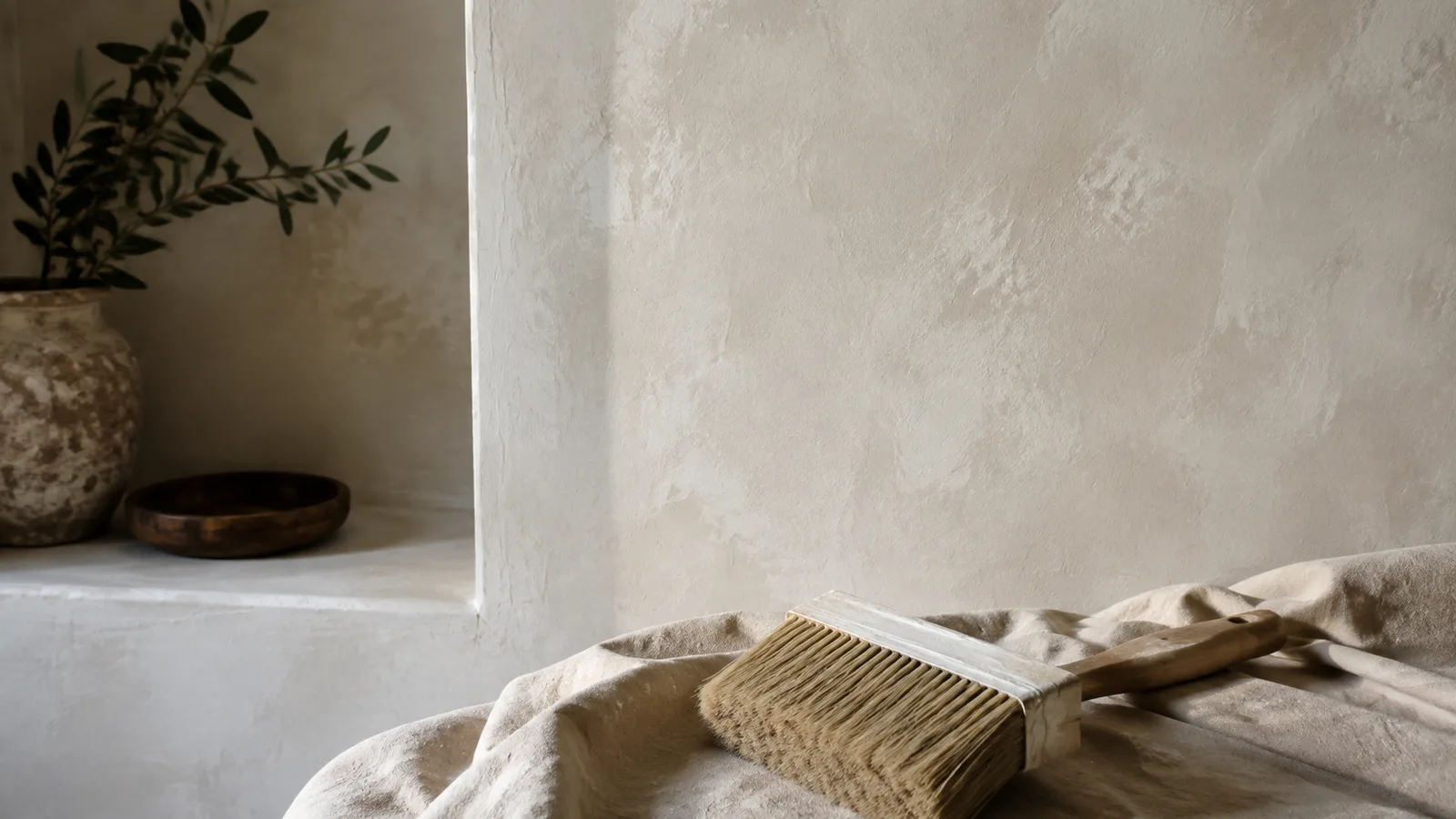
How to Apply Limewash Paint: Complete 2026 DIY Guide
Limewash is the #1 trending wall finish of 2026 — and the easiest designer-look technique to DIY. Our step-by-step guide covers prep, application, mistakes to.
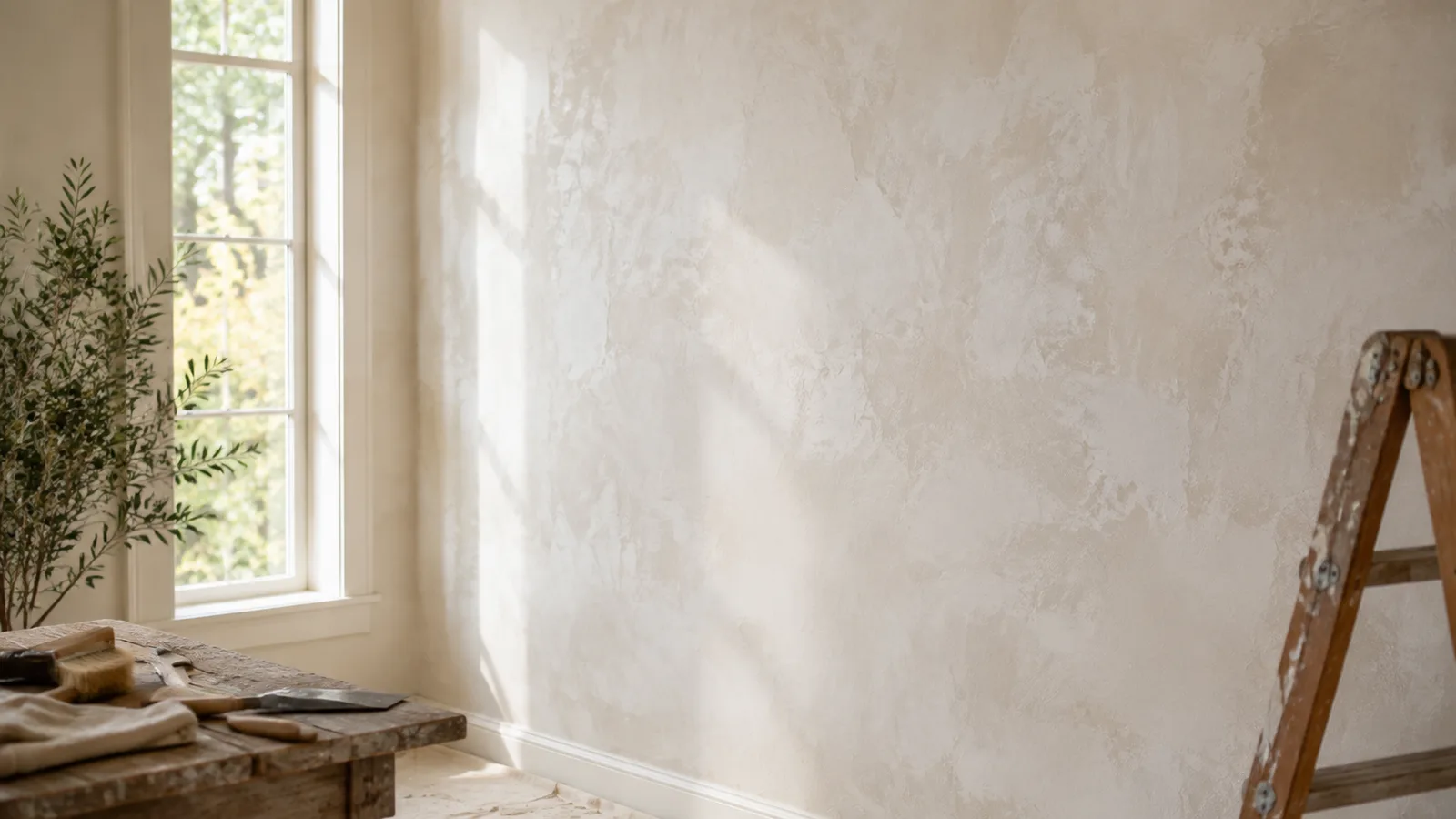
Limewash Walls: The Pinterest 2026 Tutorial Walkthrough
Limewash is the matte mineral paint behind 2026 Pinterest trends. Step-by-step tutorial, paint matches, and the technique that prevents streaks.
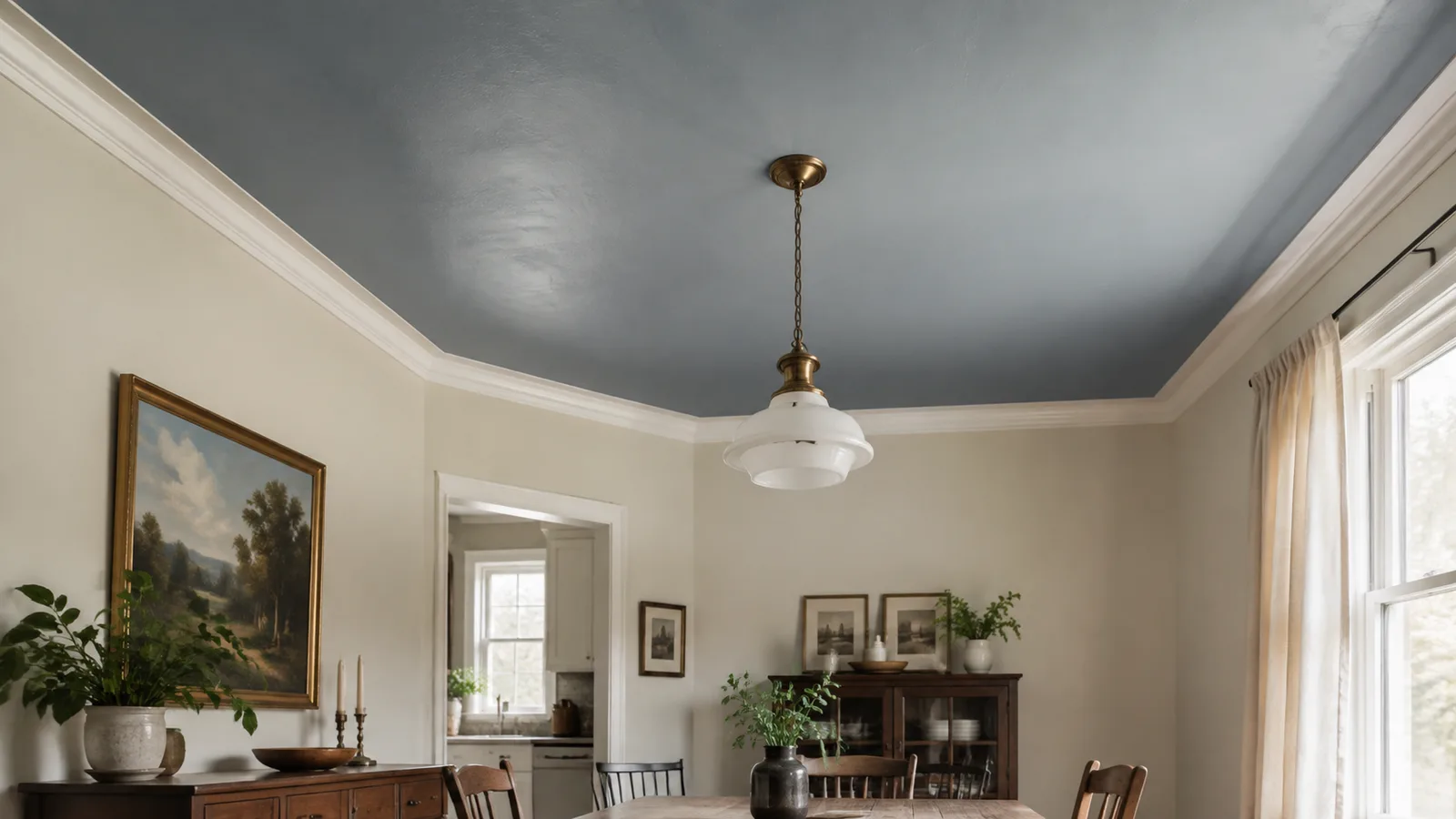
Painted Ceilings: The Fifth-Wall Trend Reshaping 2026 Rooms
Painted ceilings, also called the fifth wall, are the boldest 2026 design trend. Best colors, sheen pairings, and where it works vs falls flat.