
Which Roller Cover to Buy for Every Wall
Use the wrong roller nap and you get lint, streaks, or heavy texture. This guide shows the exact nap size to buy for smooth walls, textured walls, ceilings,.


Roller nap is the thickness of the roller cover. It decides how much paint the roller holds and how much texture it leaves behind. Too thin and you fight dry streaks. Too thick and the wall looks rough even with good paint.
For most interior walls, buy a 3/8-inch woven cover. That single choice solves 80% of DIY roller problems.
Roller Nap Cheat Sheet
| Nap Size | Best For | What It Leaves Behind |
|---|---|---|
| 1/4 inch | Doors, cabinets, very smooth trim | Very smooth finish |
| 3/8 inch | Smooth to lightly textured walls | Best all-around wall finish |
| 1/2 inch | Light orange peel, older drywall | Slight texture, better coverage |
| 3/4 inch | Heavy texture, stucco, masonry | Heavy paint load |
| Mini roller | Tight spaces and touch-ups | Depends on cover |
Best All-Around: Wooster Pro/Doo-Z 3/8-inch Cover

Pro/Doo-Z FTP 9-inch Roller Cover 3/8-inch Nap
This is the cover we would put in most readers' carts. It holds enough paint to move quickly without leaving heavy roller texture.
Pros
- Smooth finish on interior walls
- Low lint
- Good paint pickup
- Works with eggshell and satin
Cons
- Not enough nap for heavy texture
- Needs a separate 9-inch frame
As an Amazon Associate we earn from qualifying purchases. Check Amazon for current price and availability.
If you are unsure what your wall texture is, start here. A 3/8-inch woven cover is the safest buy for modern drywall.
Best for Textured Walls: Wooster Pro 3/4-inch Nap
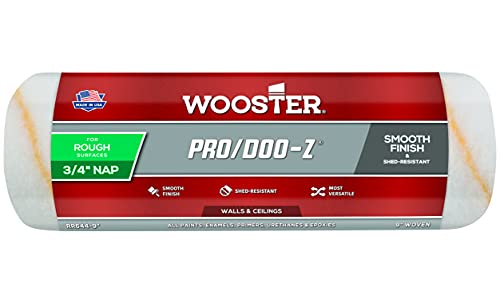
Pro 3/4-inch Nap Roller Cover
Move up to 3/4 inch only when the wall is genuinely textured. On smooth drywall, this cover makes the finish look worse.
Pros
- Reaches into texture valleys
- Holds more paint
- Better for masonry and rough surfaces
Cons
- Too rough for smooth drywall
- Uses more paint
As an Amazon Associate we earn from qualifying purchases. Check Amazon for current price and availability.
The rule is simple: the rougher the surface, the thicker the nap. Do not use a thick nap just because you want to go faster. It leaves texture you cannot sand away easily.
Best Mini Roller: Wooster Jumbo-Koter
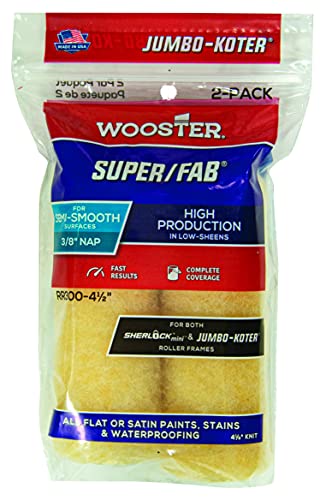
Jumbo-Koter 4.5-inch Mini Roller
A mini roller is not optional if you paint bathrooms or tight trim areas. It gives a cleaner texture match than brushing every small section.
Pros
- Fits behind toilets and radiators
- Good for cabinet sides
- Useful for touch-ups
- Easy for beginners to control
Cons
- Slow for full walls
- Requires mini frame and covers
As an Amazon Associate we earn from qualifying purchases. Check Amazon for current price and availability.
Common Nap Mistakes
Using foam on walls is the first mistake. Foam can work for doors and some cabinet paints, but it tends to skid and bubble on walls.
Using 3/4-inch nap on smooth walls is the second mistake. It loads fast, but the finish looks rough and cheap.
Using the cheapest cover is the third mistake. A low-lint cover costs a few dollars more and saves you from picking fuzz out of wet paint.
What to Buy for One Room
For a standard bedroom or living room, buy one 9-inch roller frame, two 3/8-inch covers, one mini roller, and one angled brush. That covers the walls, corners, tight spaces, and touch-ups without overbuying.
If the wall has heavy orange peel or knockdown texture, swap one of the 3/8-inch covers for a 1/2-inch or 3/4-inch cover.
Our Verdict
Buy a 3/8-inch woven cover unless your wall is clearly textured. Add a mini roller for tight spaces. Only move to 3/4-inch nap for rough walls, masonry, or exterior surfaces.
For side-by-side product picks, read our best paint rollers guide.
How to Read Wall Texture Before You Buy a Cover
If you’re not sure how textured your walls are, run your hand across a wall in good light. Smooth drywall feels uniformly flat. Orange peel texture has small bumps about the size of a grain of rice — visible when you tilt your head and let raking light hit the wall. Knockdown texture has flatter, irregular patches roughly the size of a thumbprint. Stucco is rougher and varies — some textures are like sandpaper, others are like deep waves. Match the nap to what your fingertips tell you, not what the previous owner described in the listing.
Microfiber, Woven, or Foam: Cover Material Matters
Nap size is half the equation; cover material is the other half:
- Microfiber ($4-8) — Holds the most paint per dip and releases evenly. Best for smooth-to-light-texture latex eggshell. Cleans up in five minutes.
- Woven ($5-10, like Wooster Pro Woven) — The pro standard for most interior work. Sheds less than microfiber on first use, lasts longer, slightly less smooth but more uniform on big walls. Pair with eggshell or semi-gloss latex.
- Foam ($2-4) — Specialty tool for doors, cabinets, and trim with oil-based or alkyd paint. Tears easily with latex on textured walls. Treat as single-use.
For technique that complements roller work and avoids brush strokes at the edges, see how to avoid brush marks.
FAQ
Should I prewash a new roller cover? Yes — even quality covers shed loose fibers on the first use. Run the cover under cold water, squeeze it dry against the side of the sink, and spin off the excess water before loading paint. Skipping this is the #1 reason painters find fuzz stuck in their finish coat.
Can I reuse a roller cover for a second coat? Yes — wrap the loaded cover tightly in plastic wrap or a sealed bag and refrigerate. It stays usable for up to 24 hours without paint curing on the nap.
Why is my roller leaving streaks? Three causes, in order: (1) underloaded cover (not enough paint to release evenly — load more), (2) wrong nap for the wall texture (too short = skipping over valleys, too long = drag-stippling on smooth drywall), or (3) lap mark from a section that dried before you got back to it. Maintain a wet edge and roll top-to-bottom in 3-4 ft sections.
Related Reading
Product Testing Editor
Maya Bennett is the Product Testing Editor. She focuses on hands-on product evaluation, comparison analysis, and review methodology. Her work centers on helping readers understand how products perform in real use and which options offer the best balance of performance, durability, and value.
Related Articles
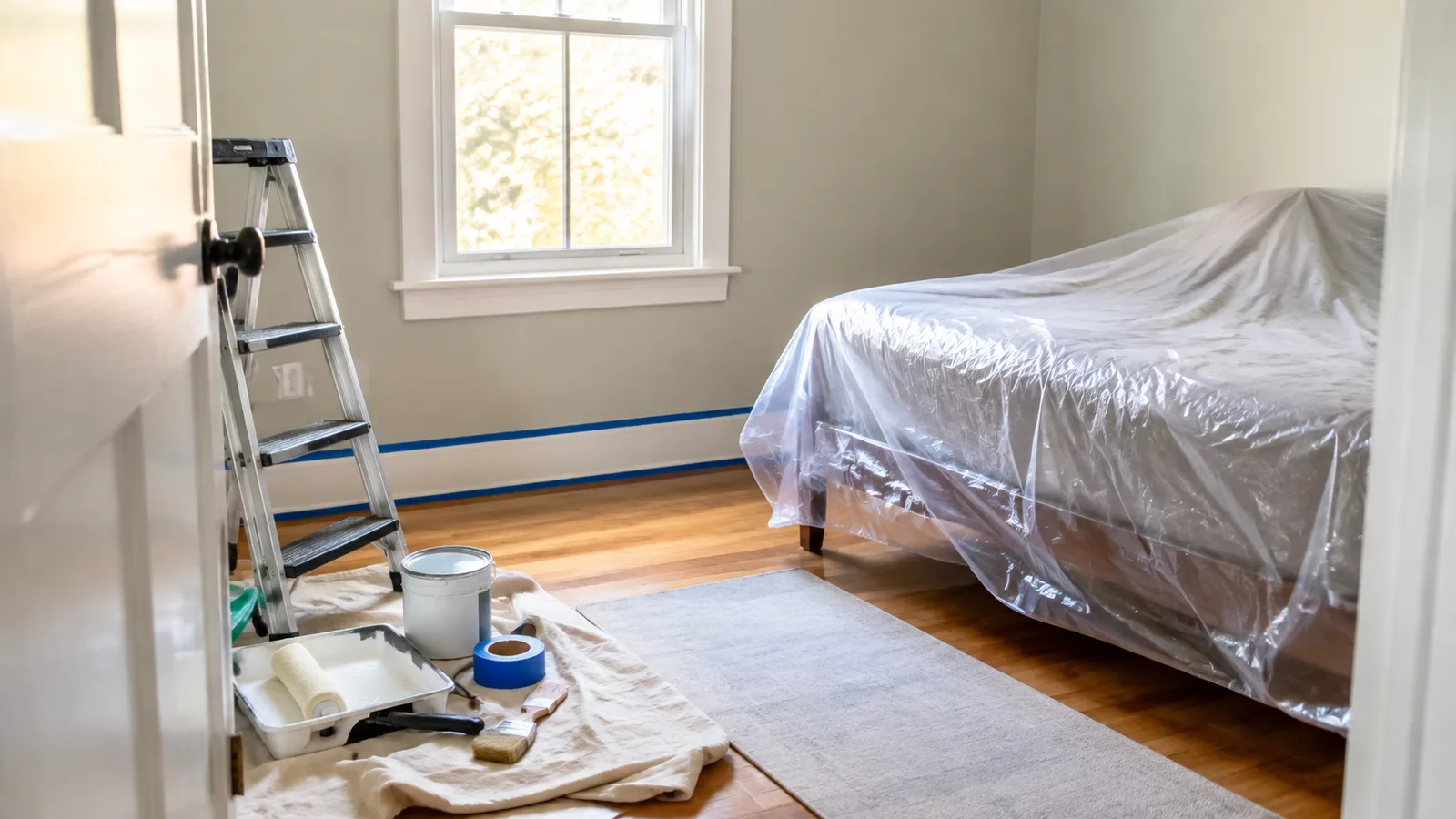
How to Paint a Bedroom Fast in 2026
Painting a bedroom fast is mostly about sequence, room prep, and not losing time to touch-ups. This guide keeps the job moving without wrecking the finish.
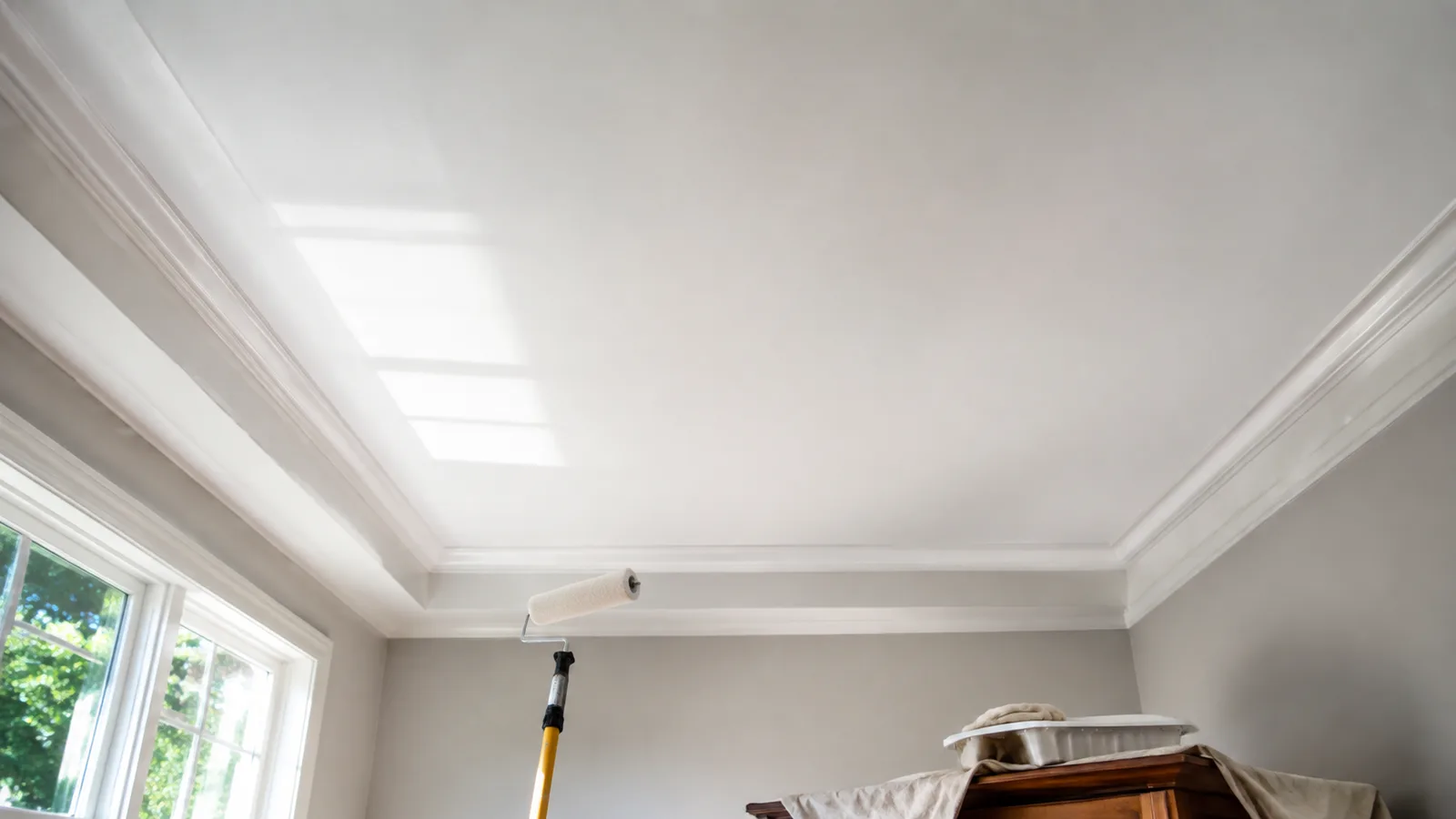
How to Paint a Ceiling Without Roller Marks
Ceiling roller marks usually come from pressure, overlap mistakes, and the wrong roller cover. This guide shows how to get a flatter, cleaner ceiling finish.
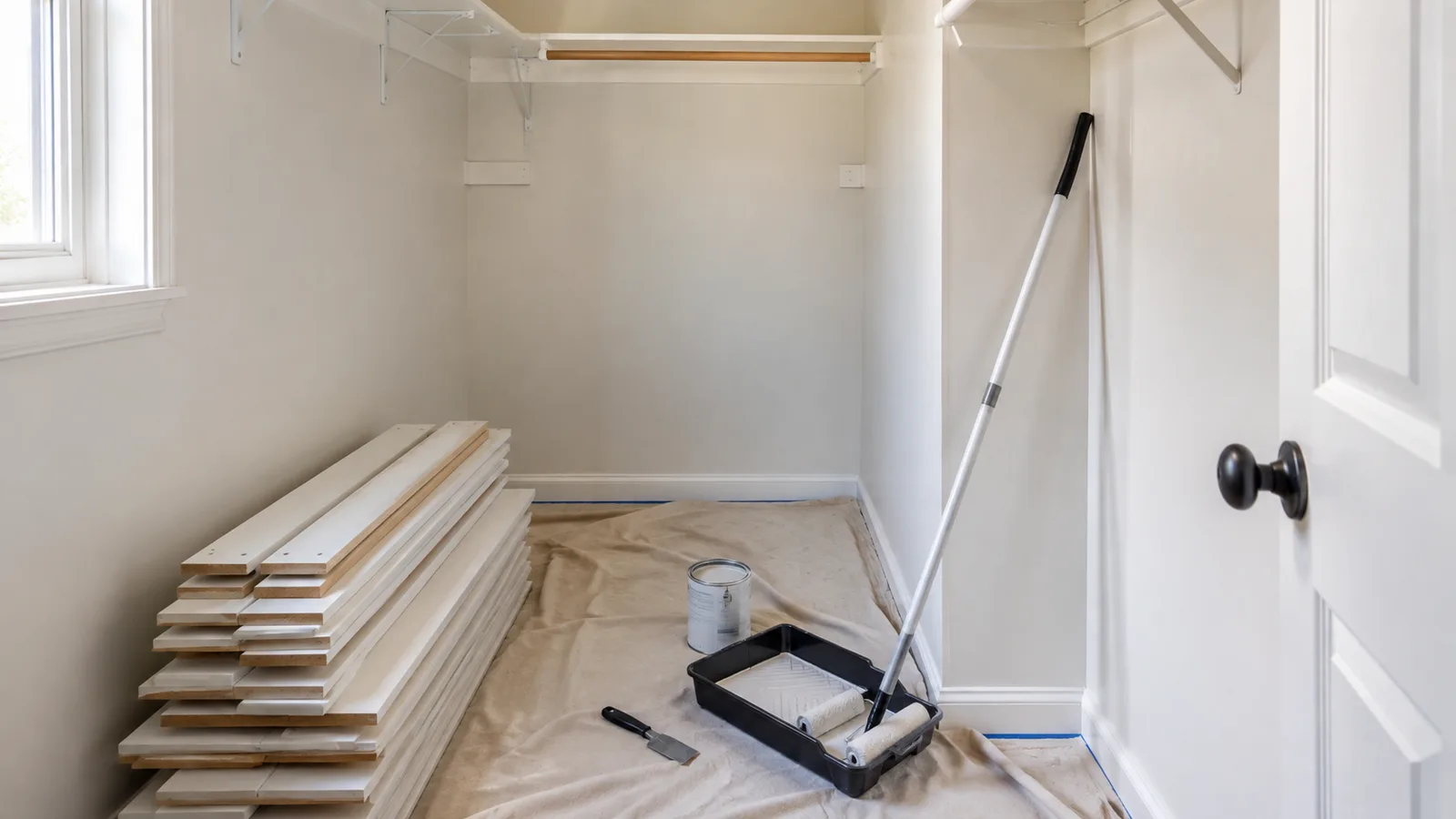
How to Paint a Closet Interior in 2026
Closets are awkward because the corners, shelves, and poor light expose every rushed step. This guide keeps the repaint simple and easier to clean up.