
Best Paint Rollers in 2026: Smooth-Wall Picks Tested
We tested 12 paint rollers for smooth walls, texture coverage, splatter, and cleanup. These are the frames and covers worth buying in 2026.
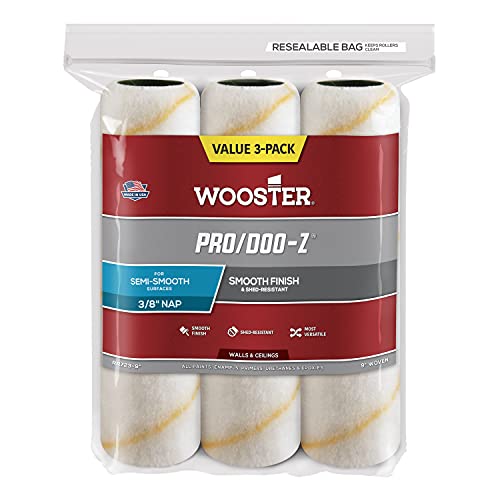
Wooster Pro 9-inch Roller Frame
The smoothest finish in our 12-roller test, with minimal splatter and a free-spinning cage that cuts arm fatigue on big projects. The cover is sold separately — pair with the Wooster Pro 3/8" woven cover.
As an Amazon Associate we earn from qualifying purchases. Price accurate at time of writing.
Quick Answer
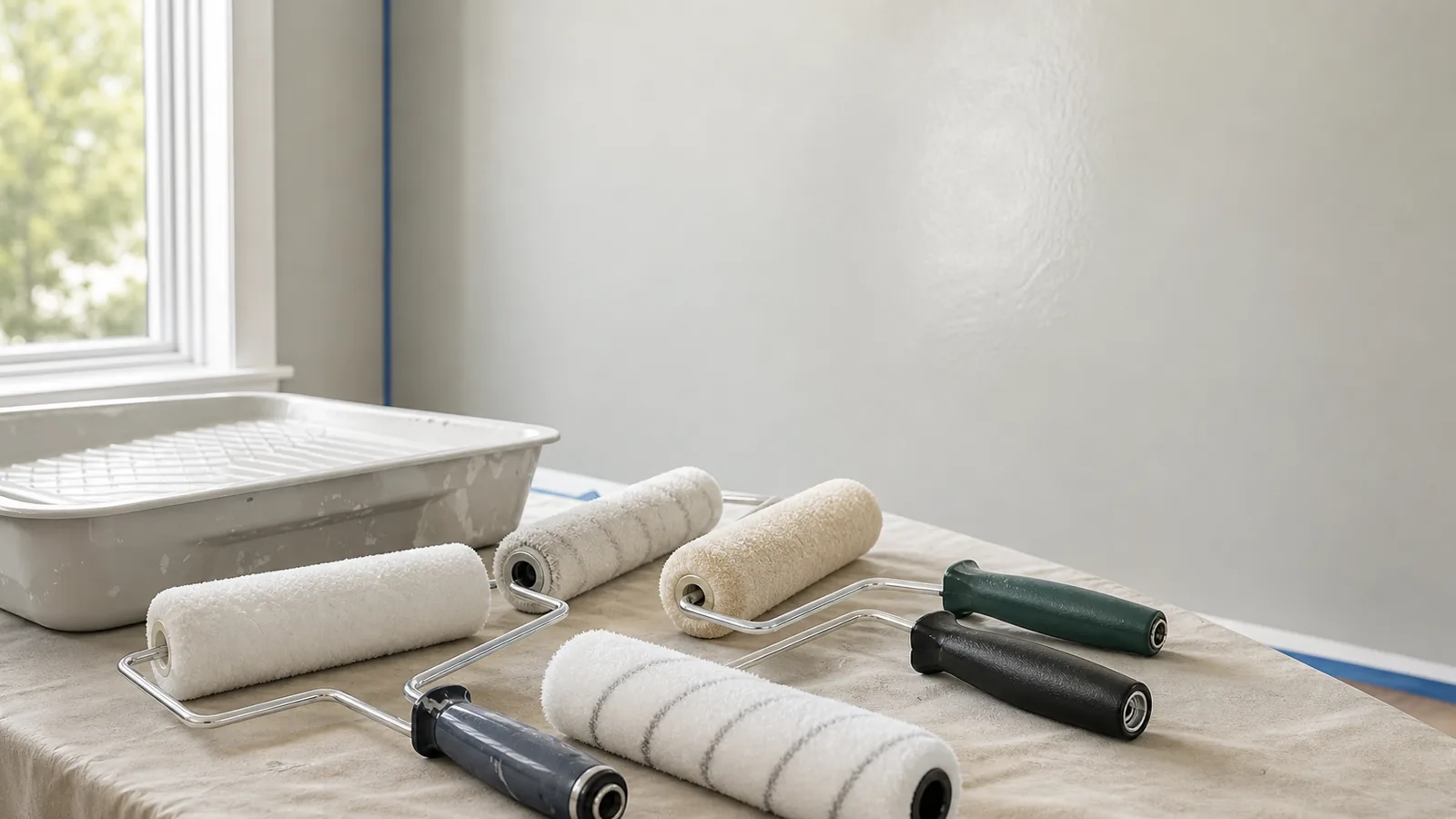
For most rooms, buy a 9-inch Wooster Pro frame and pair it with a 3/8-inch woven cover. That setup gave us the best balance of smooth finish, splatter control, and fatigue reduction. Use a 3/4-inch nap cover only on textured walls or ceilings; it holds more paint but leaves too much texture on smooth drywall.
At a Glance: Top 4 Paint Rollers Compared
| Product | Rating | Verdict | Get It |
|---|---|---|---|
Wooster Wooster Pro 9-inch Roller Frame | 4.8 | Our Pick | Check Price on Amazon |
Wooster Wooster Pro 3/4-inch Nap Cover | 4.7 | Upgrade Pick | Check Price on Amazon |
Wooster Wooster Jumbo-Koter 4.5-inch Mini | 4.7 | Best Value | Check Price on Amazon |
Purdy Purdy White Dove 9-inch Cover | 4.6 | Budget Pick | Check Price on Amazon |
How We Tested
We painted identical wall sections with each roller, evaluating coverage evenness, splatter control, paint pickup, ease of cleaning, and durability after multiple uses. Each roller was tested with both latex eggshell and semi-gloss paint.
Our Top Picks
Best Overall: Wooster Pro 9-inch Roller Frame + Wooster Pro Woven 3/8” Cover
The Wooster Pro combo delivers the smoothest finish with minimal splatter. The frame feels solid and the cage spins freely, which means less fatigue on big projects.
Pros
- Ultra-smooth finish
- Minimal splatter
- Durable frame
- Great paint pickup
Cons
- Cover sold separately
- Premium price for a roller
As an Amazon Associate we earn from qualifying purchases. Check Amazon for current price and availability.
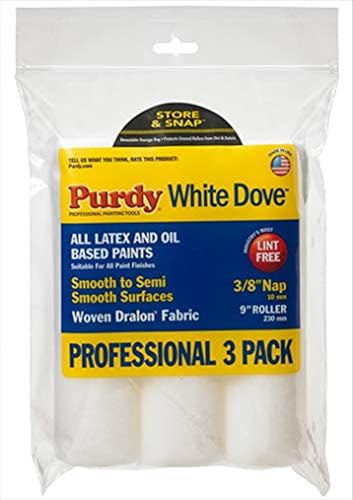
Best Budget: Purdy White Dove 9-inch 3/8” Nap
Surprisingly good performance at a low price. The White Dove covers leave a smooth finish and hold up for multiple rooms before showing wear.
Pros
- Great value
- Smooth finish
- Good for multiple rooms
- Easy to clean
Cons
- Sheds slightly on first use
- Not as smooth as woven covers
As an Amazon Associate we earn from qualifying purchases. Check Amazon for current price and availability.
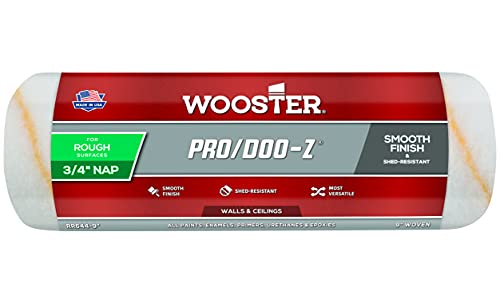
Best for Textured Walls: Wooster Pro 3/4” Nap
The thicker nap reaches into texture valleys without leaving a heavy orange-peel effect. Essential for stucco, knockdown, or popcorn-adjacent textures.
Pros
- Excellent texture coverage
- Good paint capacity
- Even distribution
Cons
- Too thick for smooth walls
- Uses more paint
As an Amazon Associate we earn from qualifying purchases. Check Amazon for current price and availability.
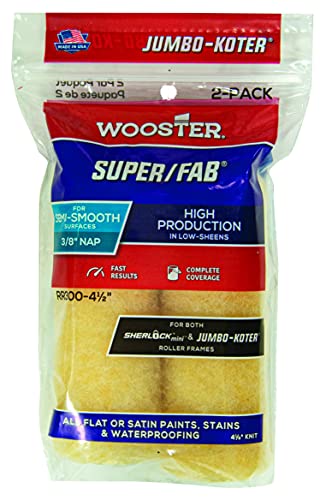
Best Mini Roller: Wooster Jumbo-Koter 4.5-inch
Perfect for tight spaces, behind toilets, small walls, and touch-ups. Surprisingly useful and often overlooked.
Pros
- Fits tight spaces
- Great for touch-ups
- Two-pack value
- Smooth finish
Cons
- Small coverage area
- Need separate mini frame
As an Amazon Associate we earn from qualifying purchases. Check Amazon for current price and availability.
How to Choose a Roller Cover
The single biggest predictor of finish quality is matching the nap size to the surface you’re painting. Use too short a nap on textured drywall and the roller skips over valleys; use too long a nap on smooth drywall and the wall ends up with a heavy orange-peel stipple. A practical 80% rule: most US interior walls (level-3 finish drywall, light orange-peel) want 3/8” nap. Cabinets, doors, and trim want 1/4” or shorter. Heavily textured ceilings want 3/4” or 1”.
| Nap Size | Best For | Finish |
|---|---|---|
| 1/4” | Cabinets, doors, ultra-smooth drywall | Glass-smooth |
| 3/8” | Most interior walls (level-3 drywall, eggshell) | Smooth |
| 1/2” | Medium texture, light orange-peel | Slight stipple |
| 3/4” | Heavy knockdown, stucco | Textured |
| 1” | Brick, popcorn ceilings, exterior block | Heavy texture |
For more detail on matching nap to surface, see our paint roller nap size guide.
Best For / Avoid If
| Roller setup | Best for | Avoid if |
|---|---|---|
| 9-inch frame + 3/8-inch woven cover | Most bedrooms, living rooms, hallways, and ceilings | You are painting heavy texture, brick, or stucco |
| 3/4-inch nap cover | Knockdown texture, rough ceilings, masonry, older walls | You want a glass-smooth finish on new drywall |
| 4.5-inch mini roller | Doors, trim-adjacent walls, behind toilets, touch-ups | You need to paint a whole room quickly |
If you are estimating paint for a roller job, run the numbers through the paint calculator first. Smooth drywall usually lands close to the estimate; textured walls can use 15-25% more paint.
Cover Material: Microfiber, Woven, or Foam?
Microfiber ($4–8) holds the most paint per dip and releases it evenly — the smoothest finish on flat eggshell or satin. Pairs well with all latex paints. Cleans up in under five minutes under running water.
Woven ($5–10, like the Wooster Pro Woven) is the pro standard for most interior work. Sheds less than microfiber on the first use, lasts longer if cleaned properly, and gives a slightly less smooth but more uniform finish on big walls. Best with eggshell or semi-gloss latex.
Foam ($2–4) is a niche tool — very smooth on doors, cabinets, and finish trim with oil-based or alkyd paint, but tears easily and shouldn’t be used with latex on large surfaces. Treat it as single-use. For a side-by-side test of how a quality woven roller cover compares with the rest, see our Wooster Pro Doo-Z review. And if you want zero brush stroke marks at edges, our guide on how to avoid brush marks covers the technique that complements roller work.
Our Verdict
For most DIY painters, the Wooster Pro frame with a 3/8” woven cover is the best investment. It costs a few dollars more than budget options but delivers noticeably smoother results. Pair it with a Jumbo-Koter mini roller for tight spots and you’re set for any room.
FAQ
How many rooms can I paint with one roller cover? A quality cover lasts 3-5 rooms if cleaned properly between uses. Budget covers may need replacing after 1-2 rooms.
Should I wash rollers or toss them? Quality covers are worth washing and reusing. Budget covers can be tossed. Either way, never let paint dry on a cover you want to keep.
Should I prewash a new roller cover? Yes. New covers — even quality ones — shed loose fibers on the first use, which then end up stuck in your finish coat. Run the cover under cold water, squeeze it dry against the side of the sink, and spin off the excess water before loading it with paint. This step takes ninety seconds and saves a lot of wall picking.
Microfiber vs synthetic woven — which lasts longer? Woven covers (like the Wooster Pro) generally last longer with proper cleaning. Microfiber gives a marginally smoother finish but starts to compact and lose its loft after 3–4 wash cycles. For a frame that holds either cover, the Wooster Sherlock GT roller frame is what we use as our long-term test platform.
Can I reuse a roller between coats? Yes — wrap the loaded cover tightly in plastic wrap or a sealed plastic bag and refrigerate. It stays usable for up to 24 hours without the paint curing on the nap. For longer breaks, clean the cover.
Why does my roller leave fuzz on the wall? Three causes, in order of likelihood: (1) you didn’t prewash a brand-new cover, (2) the nap is wrong for the texture and tearing on micro-edges, (3) the cover is past its life — compacted nap pulls fibers loose under pressure.
Related Reading

Founder & Editor-in-Chief
Ethan Carter is the Founder and Editor-in-Chief. He leads the editorial vision and oversees the overall quality of every guide, comparison, and recommendation. He is responsible for setting editorial standards, selecting key content priorities, and validating the consistency and reliability of buying-guide comparisons.
Related Articles
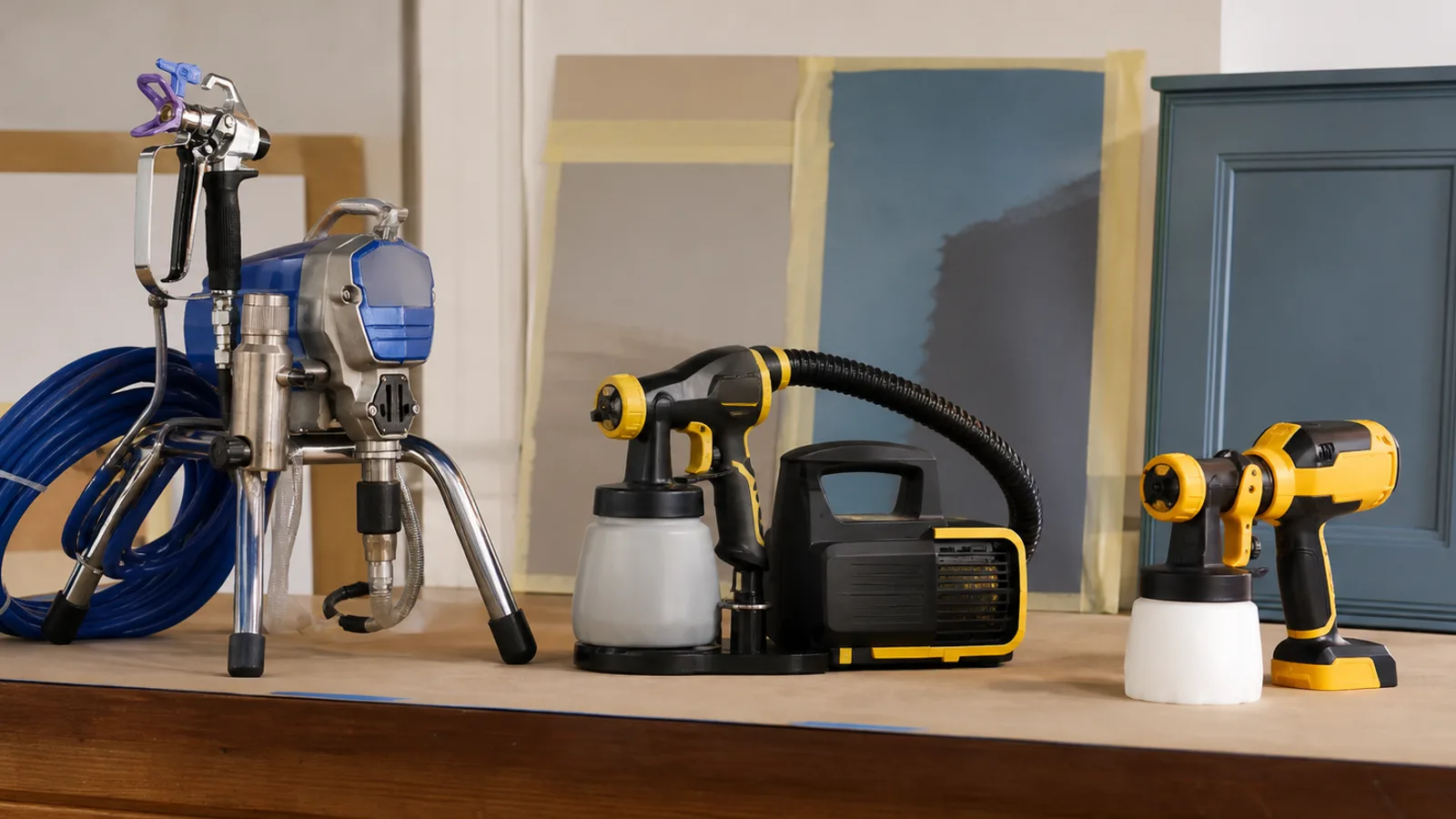
Best Paint Sprayers in 2026: HVLP and Airless Picks
Compare the best paint sprayers for cabinets, furniture, fences, rooms, and exterior paint jobs, with clear picks by project type and budget.
Best Paint Brushes for Every Job (2026 Guide)
A great brush makes painting easier and results better. Here are the best paint brushes for cutting in, trim, furniture, and every painting project.
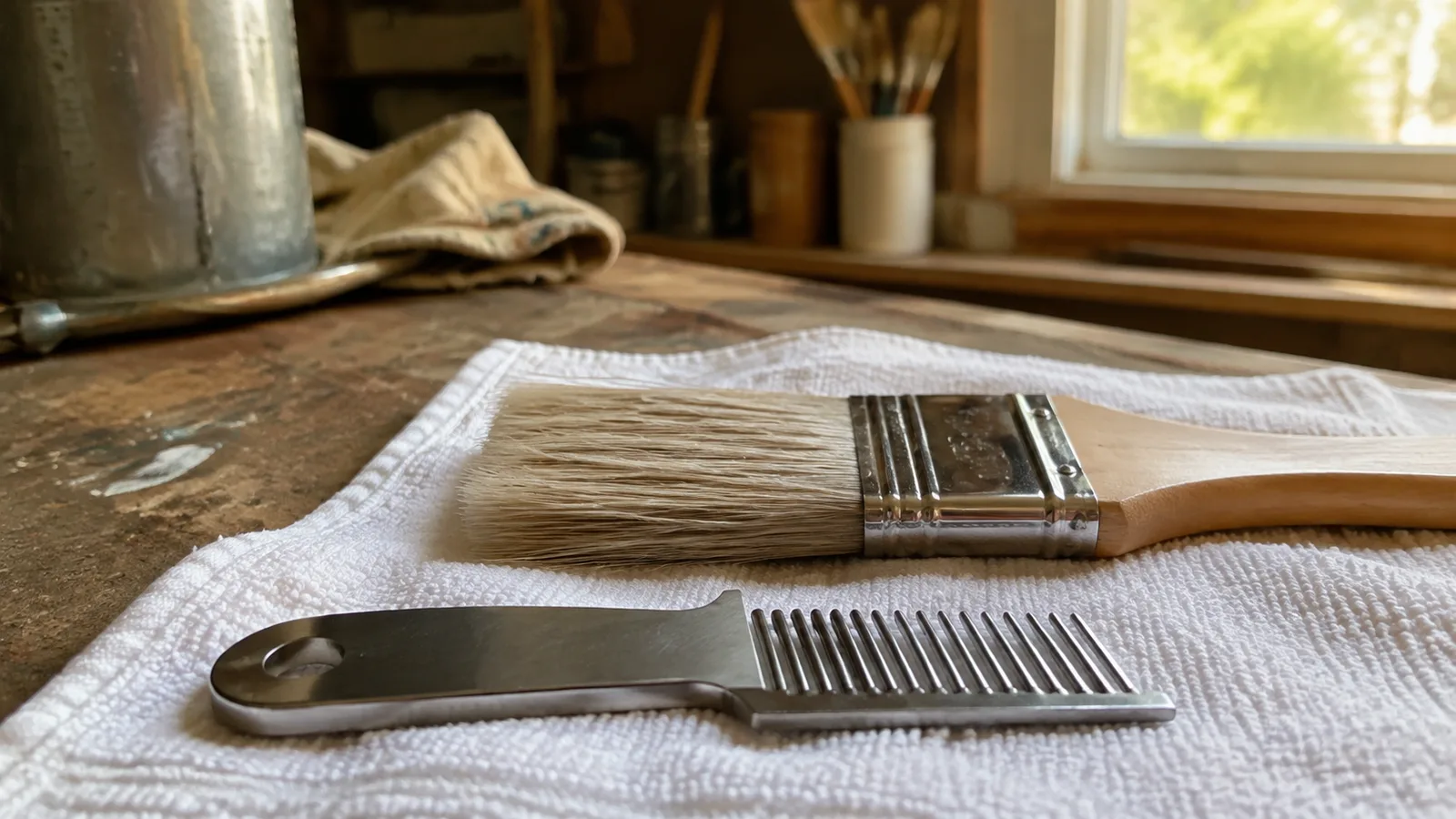
Best Brush Comb for Cleaning Paint Brushes in 2026
A real brush comb pulls dried paint out of the heel and saves expensive brushes. This guide covers the best comb to buy before your good brush hardens.