
How to Paint Over Dark Walls (Without 10 Coats)
Painting light colors over dark walls is tricky but totally doable. Learn the pro tricks that cut the number of coats in half and save you hours of work.


Tools & Materials Needed
- high-hide primer
- roller
- brush
- paint tray
- drop cloth
- painter's tape
AI-generated editorial illustration; not a product test photo or an exact paint color sample.
The Challenge with Dark Walls
Going from navy blue to crisp white sounds simple — especially if you painted a bold accent wall — until you’re on coat number four and you can still see the old color bleeding through. Dark pigments, especially deep reds, blues, and greens, have notoriously strong tinting strength. Without the right approach, you could apply six or more coats of white and still see the original color.
The good news: there’s a smarter way.
Going light over dark is a primer game, not a paint game. The right primer cuts your topcoats from 5 down to 2 — buy it once and save yourself a weekend.
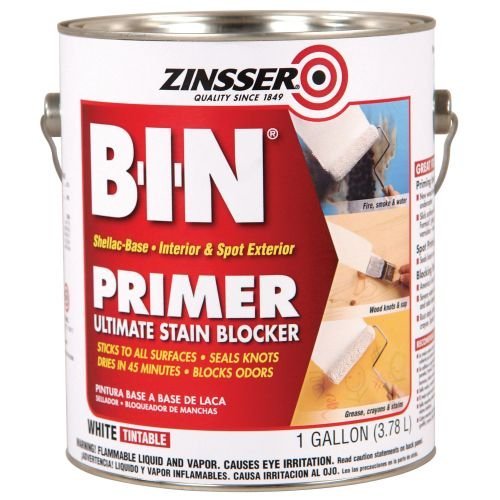 ZinsserBIN Shellac-Based Primer (1 quart)The bonding primer that grips laminate, oak grain, old varnish, and dark colors.~Price$22
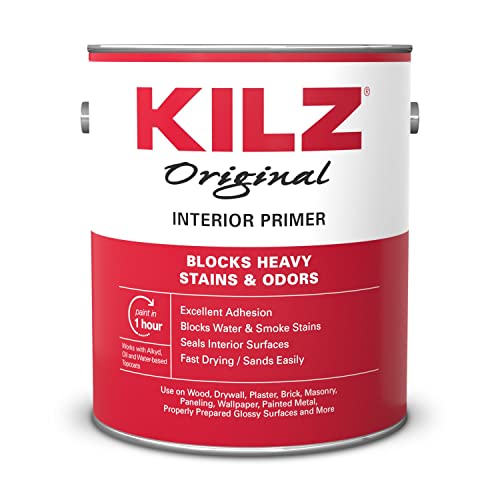 KILZOriginal Primer-Sealer (1 gallon)High-hide primer for navy, forest green, charcoal, and other dark non-red colors.~Price$28
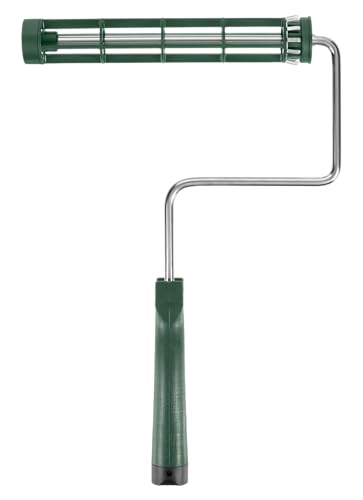 WoosterSherlock GT 9-inch Roller FrameQuick-release frame fits any standard 9-inch cover. Survives years.~Price$15
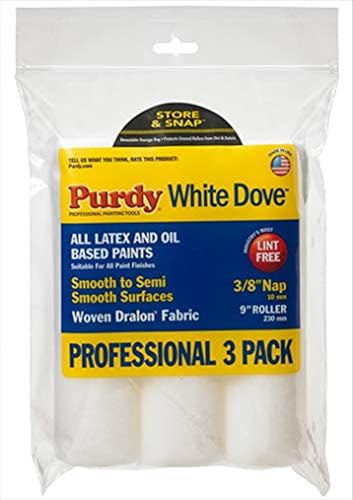 PurdyWhite Dove Roller Cover 9" 3/8"Smooth nap means no roller texture under deep colors or fresh primer.~Price$10
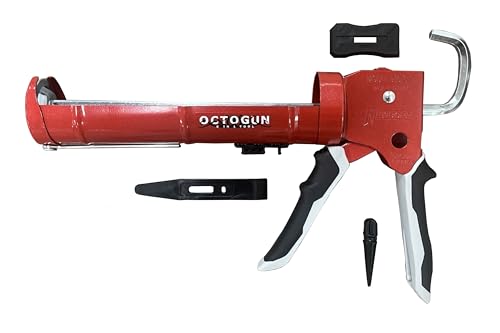 PurdyXL Elite Dale Angular 2.5-inch BrushCuts in cleanly, holds plenty of paint, lasts 50+ wash cycles.~Price$20
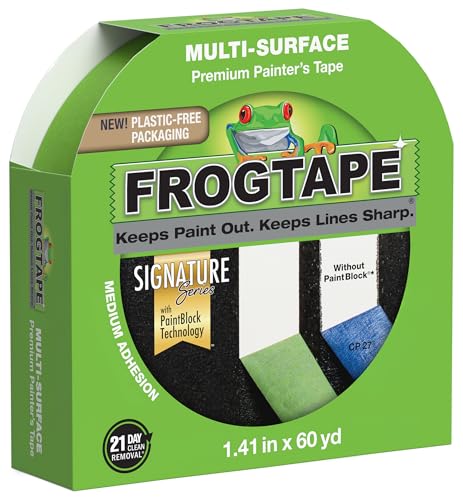 FrogTapeMulti-Surface Painter's Tape 1.41 inchPaintBlock seals tighter than basic tape — the difference shows on textured walls.~Price$8
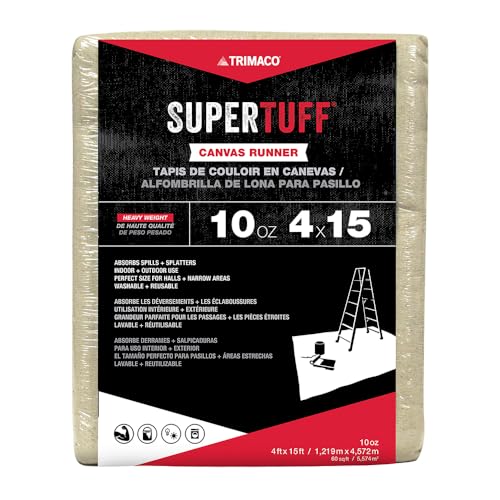 TrimacoSuperTuff 9x12 ft Canvas Drop ClothCanvas grips the floor (plastic slides), absorbs spills, lasts a decade.~Price$26
Affiliate Disclosure: PaintLikePro is reader-supported. When you buy through links on our site, we may earn an affiliate commission at no extra cost to you. Learn more. Prices shown are approximate and reflect the price at publication; check Amazon for current pricing.
The Key is the Primer — Not More Top Coats
The single most important decision is choosing the right primer. A standard white primer will not block dark colors. You need a high-hide primer specifically formulated for this situation.
Best options:
- Zinsser Bulls Eye 1-2-3: Water-based, excellent coverage on dark colors
- KILZ 2 All-Purpose: Great hide, dries fast, widely available
- Benjamin Moore Fresh Start High-Hiding All Purpose Primer: Premium choice, exceptional hide
Ask your paint store to tint your primer to a lighter version of your topcoat color. If you’re painting the wall pale gray, tint the primer to medium gray. This dramatically reduces how many topcoats you need.
Step-by-Step: Painting Over Dark Walls
Clean and Prep the Wall
Wipe down the wall with a damp cloth to remove dust and grease. Fix any nail holes with spackle and sand smooth. Tape off trim, ceiling edges, and outlets.
Apply High-Hide Primer — First Coat
Use a 3/8” nap roller for smooth walls, 1/2” nap for textured. Apply a full, even coat without overworking it. Let dry completely — at least 2 hours for water-based primer, 4 hours for oil-based.
Check Coverage and Apply Second Primer Coat if Needed
Once the first coat is dry, examine the wall under bright light. If you see bleed-through, apply a second coat of primer. Two coats of good high-hide primer will handle almost any dark color.
Apply Your Topcoat
Now apply your topcoat paint. With proper primer underneath, most light colors only need 2 coats. Use quality paint — cheaper paints have less pigment and will require more coats.
Second Topcoat
After the first topcoat dries (2–4 hours), apply the second coat in the opposite direction (horizontal if your first was vertical). This cross-rolling technique ensures even coverage.
How Many Coats Do You Really Need?
| Starting Color | Primer Coats | Topcoat Coats | Total |
|---|---|---|---|
| Light color → light color | 1 | 2 | 3 |
| Medium dark → white | 2 | 2 | 4 |
| Very dark → white | 2 | 2–3 | 4–5 |
| Red → any color | 2 (oil-based) | 2 | 4 |
Red is the hardest color to cover. Red pigments “bleed” through water-based primers easily. For red walls, use an oil-based or shellac-based primer like Zinsser BIN for the best results.
Pro Tips for Difficult Colors
For deep reds: Use Zinsser BIN shellac-based primer. It’s the only reliable option for true red block.
For dark greens and blues: Two coats of a tinted high-hide water-based primer will work well.
For black or very dark gray: Oil-based primer is the most reliable. Expect at least 2 primer coats.
Save time with a sprayer: If you have a paint sprayer, applying primer goes much faster. A 12×12 room can be primed in under 30 minutes with a sprayer vs. 90+ minutes with a roller.
Common Mistakes to Avoid
- Skipping primer entirely: You will need 5–8 coats of topcoat. Never worth it.
- Using cheap paint: Low-quality paint has poor hide even over primer.
- Applying coats too thick: Thick coats drip and don’t dry flat. Thin, even coats always win — learn more about choosing between brushes, rollers, and sprayers for the best application.
- Not letting primer cure: Give primer its full recommended dry time before topcoating.
Tinted Primer: The Hidden Time-Saver
Most paint stores will tint your primer for free at the same time they mix your topcoat. Have them tint the primer to roughly 50% of the topcoat color (you can ask for “half-strength” tint). The tinted primer kills the dark color underneath far more effectively than white primer alone, often dropping a four-coat dark-to-light job down to three coats — and sometimes two. Cost: zero. Time saved: an entire afternoon. This is the single highest-leverage trick when going dark to light.
What Hides What — Quick Reference
| Existing Wall | Recommended Primer | Topcoat Coats |
|---|---|---|
| Black or charcoal | 2 coats Zinsser BIN shellac | 2-3 coats |
| Deep red or burgundy | 2 coats Zinsser BIN shellac | 2 coats |
| Hunter green or navy | 2 coats high-hide tinted primer | 2 coats |
| Dark wood-paneling | 1 coat Zinsser BIN + 1 coat tinted primer | 2 coats |
| Mid-tone gray or taupe | 1 coat tinted primer | 2 coats |
Shellac primer dries in 45 minutes — twice as fast as oil-based — so two primer coats can be applied in a single afternoon.
FAQ
Why does red bleed through every primer I’ve tried? Red pigments (especially organic naphthol reds) are water-soluble enough to migrate through latex and even oil-based primers over time. Only shellac-based primer (Zinsser BIN) reliably blocks red. Two coats minimum.
Can a “paint-and-primer-in-one” handle dark walls? For light-to-light or medium changes, yes. For genuine dark-to-light shifts (red→white, navy→cream), no — paint-and-primer-in-one is high-hide latex with marketing language, and you’ll still need 4-6 coats. Use a dedicated primer.
Should I sand between primer coats? Only if the surface is rough or the primer raised the wood/drywall grain. For flat drywall, skip sanding between primer coats — primer-on-primer adhesion is excellent without it.
Product Testing Editor
Maya Bennett is the Product Testing Editor. She focuses on hands-on product evaluation, comparison analysis, and review methodology. Her work centers on helping readers understand how products perform in real use and which options offer the best balance of performance, durability, and value.
Related Articles
Why Painted Kitchen Cabinets Peel & How to Fix It
Cabinets painted without a topcoat fail in 18 months. Here's why peeling happens, how to fix it, and the protective topcoat the pros never skip.

How to Paint Kitchen Cabinets Like a Pro
Transform your kitchen with a fresh coat of paint. This step-by-step guide covers everything from prep to final coat, with pro tips for a smooth, durable finish.
Best Paint Finish for Bathrooms: Complete Guide
Bathrooms need paint that can handle moisture, steam, and frequent cleaning. Learn which paint finish works best and how to get a lasting result.