
How to Paint the Perfect Accent Wall
An accent wall is the easiest way to add drama to any room. Learn how to choose the right wall, pick the perfect color, and get a flawless finish.


Tools & Materials Needed
- paint roller
- angled brush
- painter's tape
- drop cloth
- accent paint color
What Is an Accent Wall?
An accent wall is a single wall painted in a different color (usually bolder or darker) than the other three walls. It’s one of the simplest and most affordable ways to transform a room’s look and feel. If you’re new to painting, start with our guide on how to paint a room first.
Accent walls are usually a deep, saturated color — and dark colors are unforgiving of bad tools. The right roller cover and tape make the difference between a magazine-worthy result and an obvious DIY job.
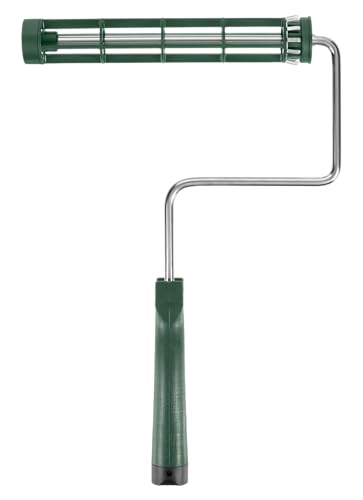 WoosterSherlock GT 9-inch Roller FrameQuick-release frame fits any standard 9-inch cover. Survives years.~Price$15
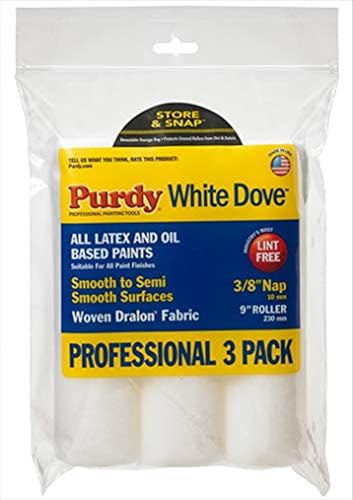 PurdyWhite Dove Roller Cover 9" 3/8"Smooth nap means no roller texture under deep colors or fresh primer.~Price$10
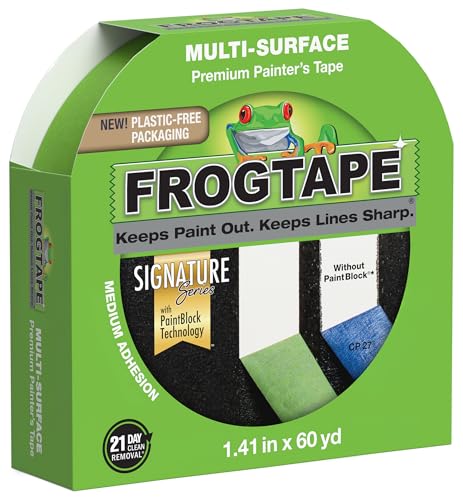 FrogTapeMulti-Surface Painter's Tape 1.41 inchPaintBlock seals tighter than basic tape — the difference shows on textured walls.~Price$8
 PurdyXL Elite Dale Angular 2.5-inch BrushCuts in cleanly, holds plenty of paint, lasts 50+ wash cycles.~Price$20
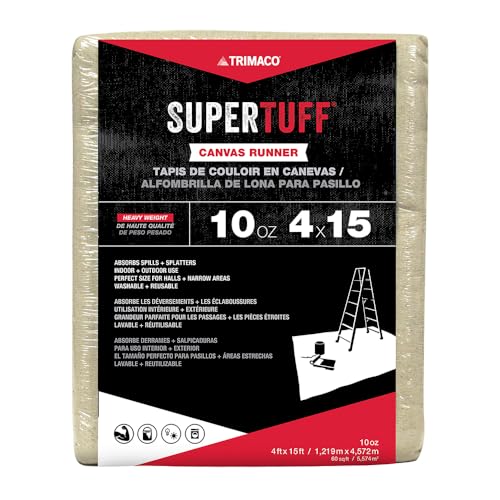 TrimacoSuperTuff 9x12 ft Canvas Drop ClothCanvas grips the floor (plastic slides), absorbs spills, lasts a decade.~Price$26
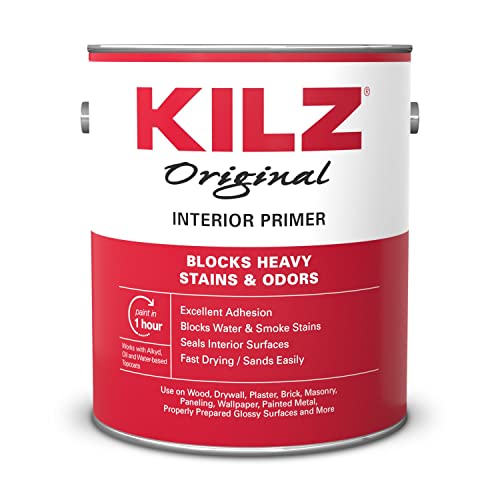 KILZOriginal Primer-Sealer (1 gallon)High-hide primer for navy, forest green, charcoal, and other dark non-red colors.~Price$28
Affiliate Disclosure: PaintLikePro is reader-supported. When you buy through links on our site, we may earn an affiliate commission at no extra cost to you. Learn more. Prices shown are approximate and reflect the price at publication; check Amazon for current pricing.
Choosing the Right Wall
Not every wall makes a good accent wall. Here’s how to pick:
- The focal point wall: Usually the wall behind the bed, sofa, or fireplace
- The wall you see first: When entering the room, which wall draws your eye?
- Architectural features: Walls with built-ins, fireplaces, or unique shapes
Avoid making a wall with lots of windows or doors your accent wall. The interruptions break up the color impact. Choose a wall with minimal interruptions for maximum visual effect.
Choosing Your Accent Color
Bold and Dark
- Deep navy, forest green, charcoal, or burgundy
- Creates drama and sophistication
- Works in bedrooms, dining rooms, and living rooms
Warm and Inviting
- Terracotta, warm ochre, burnt orange, or deep red
- Adds energy and coziness
- Great for living rooms and kitchens
Cool and Calming
- Sage green, dusty blue, or lavender
- Creates a serene atmosphere
- Perfect for bedrooms and bathrooms
How to Paint It
Prep the Wall
Fill any holes, sand smooth, and clean the wall. Apply painter’s tape along the ceiling, adjacent walls, and any trim.
Prime If Needed
If going from light to very dark (or vice versa), prime with a tinted primer first. If you’re painting over dark walls, this saves you from needing 3-4 coats of topcoat.
Cut In the Edges
Use an angled brush to cut in along all taped edges, corners, and ceiling line.
Roll the Wall
Apply two coats with a roller, letting the first coat dry completely before the second. Work in sections, maintaining a wet edge.
Remove Tape
Pull tape while the paint is still slightly tacky, at a 45-degree angle. This gives the cleanest lines.
Accent Wall Ideas Beyond Solid Color
- Two-tone: Split the wall horizontally with two complementary colors
- Geometric: Use tape to create triangles, diamonds, or stripes
- Color blocking: Large rectangular blocks of different colors
- Ombre: Gradient from dark at bottom to light at top
Common Accent Wall Mistakes
- Choosing a color that clashes with your furniture
- Picking a wall that’s too small or broken up
- Using a color that’s too similar to the other walls (go bold!)
- Forgetting to consider the room’s lighting — see our how to choose paint colors guide for help
How Much Contrast Is Right?
The most successful accent walls fall into one of two contrast levels:
- High contrast — A deep navy, charcoal, forest green, or burgundy on a wall surrounded by white or off-white. Reads as intentional and architectural.
- Tonal contrast — A deeper version of the wall color (e.g., 4-shade darker greige in a greige room). Subtle, sophisticated, doesn’t dominate the eye.
What rarely works: a mid-tone color two shades different from the surrounding walls. It looks like the painter ran out of paint, not like a design choice. If you can’t decide between subtle and dramatic, go dramatic — accent walls earn their visual weight from being unmistakable.
Sheen Considerations
Accent walls live or die on light play. Match sheen to intent:
- Eggshell or flat for moody bedroom and library walls — absorbs light, deepens the color
- Satin for living rooms and dining rooms — slight warmth without being shiny
- Semi-gloss only for explicitly architectural treatments (board-and-batten, paneling) — too reflective for plain drywall
Color trends matter for accent walls more than for the rest of the house. Trending shades like oxblood and transformative teal show up everywhere right now and are great accent-wall candidates.
How to Layer Texture on an Accent Wall
If solid color feels too tame, you have three escalations:
- Limewash — see our limewash walls tutorial. Layered, breathable, naturally mottled finish that adds depth without paint pattern work. Works especially well in saturated mid-tones.
- Color drench — paint the accent wall AND the adjoining ceiling and trim in the same color. The room reads as a single enveloping space. Works in small bedrooms, powder rooms, dens.
- Two-tone horizontal split — paint top 60% in one color, bottom 40% in a deeper version of the same family, separated by a thin tape line. Reads as wainscoting without installing trim.
FAQ
Do accent walls hurt the resale value of my home? No, with two caveats. First, neutral-family accent walls (deep blue, forest green, charcoal) are universally fine. Second, if you choose a polarizing color (saturated red, hot pink, mustard yellow), repaint before listing — buyers see “personality” as “work I have to do.” A single accent wall in any color takes one Saturday to roll back to neutral.
Can I do an accent wall in a small room? Yes — accent walls actually make small rooms feel bigger by adding visual depth at the focal point. The rule: accent the deepest wall (the wall you see when entering), not a side wall. Side-wall accents in small rooms make the room feel narrower.
What if my room has no obvious focal wall? Pick the wall opposite the entry door — that’s the wall the eye lands on when entering. If that wall is broken up by windows or doors, then look for the wall behind the room’s anchor furniture (bed in a bedroom, sofa in a living room, table in a dining room). Anchor wins over geometry every time.
Home & Outdoor Reviews Editor
Ava Brooks is the Home & Outdoor Reviews Editor. She covers major product categories including tools, furniture, lawn and garden equipment, and practical home accessories. Her goal is to simplify product research with clear comparisons, useful buying guides, and straightforward recommendations for everyday use.
Related Articles
How to Paint Old Furniture for a Brand-New Look
Painting old furniture is one of the best DIY investments you can make. Learn how to prep, prime, and finish wood, laminate, and metal furniture for a.
DIY Cabinet Hardware Refresh After Painting
Fresh cabinet paint often still feels unfinished until the hardware changes too. This DIY refresh keeps the update cohesive without replacing the whole cabinet run.
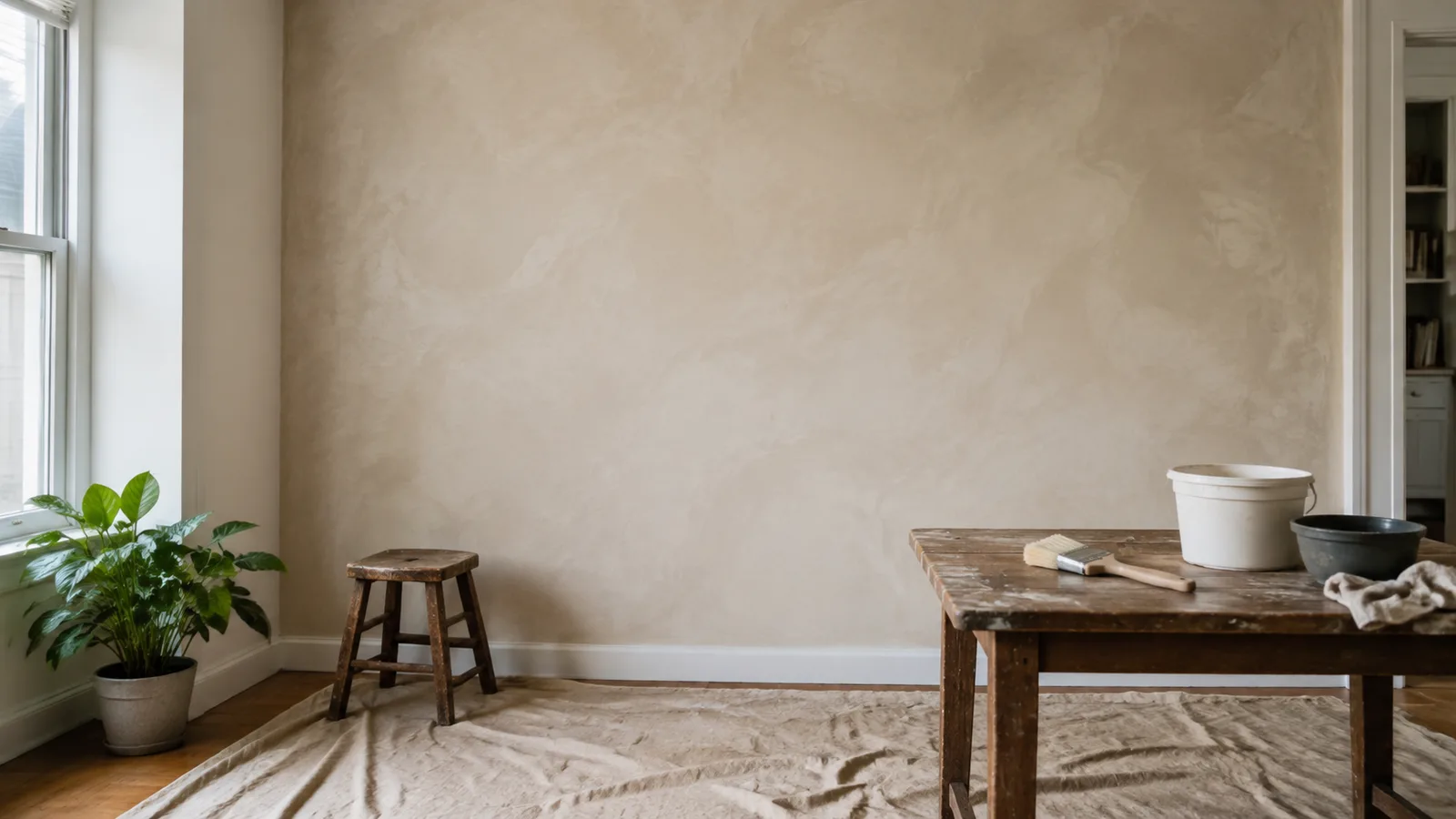
DIY Limewash Accent Wall on a Budget
A budget limewash wall can still look layered if the material and brushwork are right. This guide covers the prep and products that help the texture show up.