
Best Drop Cloths for Painting in 2026: Canvas vs Plastic vs Butyl
The right drop cloth prevents slips, soaked floors, and cleanup disasters. Here is what to buy for rooms, stairs, cabinets, and quick touch-ups.

Drop cloths are boring until they fail. Plastic slides under your feet, thin cloth lets paint soak through, and old sheets do almost nothing against spills. If you care about the floor, buy the right cover before you open the paint can.
The best choice depends on the room. Canvas is the best all-around option. Butyl-backed canvas is the safest over finished hardwood. Plastic is only for covering furniture, cabinets, and quick dust protection.
Quick Verdict
| Drop Cloth | Best Use | Buy If |
|---|---|---|
| Trimaco SuperTuff Canvas | Most rooms | You want one reusable cloth |
| Trimaco Butyl II Canvas | Hardwood floors | You need leak resistance |
| Xpose Safety Plastic | Furniture and cabinets | You need cheap disposable coverage |
Best Overall: Trimaco SuperTuff Canvas
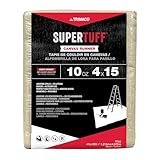
SuperTuff Canvas Drop Cloth
A standard canvas drop cloth is the first one to buy. It stays put, catches normal drips, and works for almost every interior painting project.
Pros
- Reusable for years
- Grips floors better than plastic
- Absorbs small drips
- Good value for full-room painting
Cons
- Can soak through on heavy spills
- Needs washing or shaking out after use
As an Amazon Associate we earn from qualifying purchases. Check Amazon for current price and availability.
If you are buying one drop cloth, make it a 9x12 canvas. It covers enough floor for rolling walls and can be folded into a runner for hallways or trim.
Best for Hardwood: Trimaco Butyl II Canvas
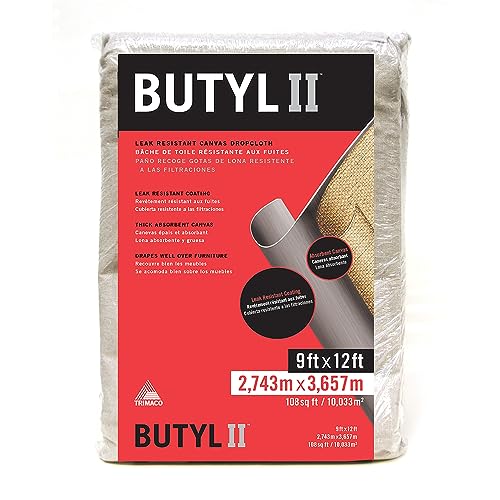
Butyl II Canvas Drop Cloth
Butyl-backed canvas is the upgrade when floor damage would be expensive. It gives you the grip of canvas with much better spill protection.
Pros
- Leak-resistant backing
- Best protection over finished floors
- Still less slippery than plastic
- Professional-grade durability
Cons
- Costs more
- Heavier to move between rooms
As an Amazon Associate we earn from qualifying purchases. Check Amazon for current price and availability.
This is the cloth to buy before painting over hardwood, stairs, or new flooring. One spilled tray costs more than the upgrade.
Best Cheap Cover: Xpose Safety Plastic Drop Cloth
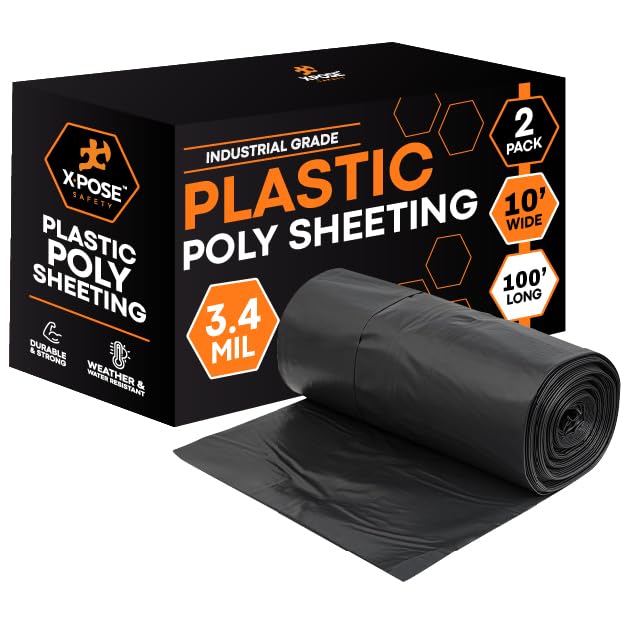
Plastic Drop Cloth
Plastic is useful, but not under your feet. Use it to cover furniture, countertops, cabinet boxes, and items that need splash protection.
Pros
- Cheap
- Good for furniture and cabinets
- Disposable after messy prep
- Blocks dust and overspray
Cons
- Slippery on floors
- Tears more easily
- Does not absorb drips
As an Amazon Associate we earn from qualifying purchases. Check Amazon for current price and availability.
Never use plastic as your main walking surface. It slides, bunches, and turns wet paint into a smear. Use it vertically or over furniture, then use canvas where you walk.
Material Comparison: Canvas Weights, Butyl, Plastic, and Paper-Backed Plastic
Not all drop cloths within each category are equal. The material weight and backing determine how much a cloth can absorb, how long it lasts, and where it belongs on a job.
Canvas by weight
Canvas drop cloths are sold by weight per linear yard, typically 10 oz, 12 oz, or 15 oz.
- 10 oz canvas is adequate for light interior work — cutting in walls, rolling ceilings — where drips are infrequent. It is lighter to carry and cheaper, but soaks through faster under a sustained spill.
- 12 oz canvas is the most common professional weight. It handles a normal latex paint spill without bleeding through, dries quickly between uses, and holds its shape after repeated washings.
- 15 oz canvas is the heaviest standard option. More absorbent, stiffer, and much more resistant to soak-through. It also stays put on smooth floors better than lighter cloths because the weight itself creates friction. Worth buying when painting ceilings or doing multi-day work in one location.
Heavier canvas means more absorbency and more floor grip — both meaningful advantages on hardwood or tile.
Butyl-backed canvas
Butyl-backed canvas adds a rubberized waterproof barrier to the underside of a standard canvas cloth. The top surface still absorbs drips the same way as plain canvas, but the barrier prevents moisture from ever reaching the floor. This matters most with oil-based paints, stain-blocking primers, and thinned latex — products that wick through plain canvas faster than water-based wall paint.
The grip on hardwood floors is also noticeably better than plain canvas because the butyl backing creates rubber-like friction against smooth surfaces.
Plastic sheeting
Thickness (measured in mil, where 1 mil = 0.001 inch) determines where plastic sheeting is appropriate:
- 1 mil plastic is thin enough to drape over furniture, appliances, and kitchen cabinets to block dust and light overspray. It tears if walked on.
- 4–6 mil plastic is the correct range for floor protection during demolition, sanding, or heavy prep work. At 6 mil it is durable enough to survive foot traffic without tearing, but it remains slippery — tape the perimeter to the baseboard and avoid working on it with a loaded roller.
Paper-backed plastic
Paper-backed plastic layers a thin sheet of plastic bonded to craft paper. The paper face absorbs minor drips; the plastic backing keeps moisture off the floor. It is cheaper than canvas, good for single-use floor coverage on large areas, and far more tear-resistant than bare plastic sheeting. Dispose of it after one job — it does not survive washing.
For complete room prep guidance, see how to paint a room from start to finish.
How to Choose by Job
Matching cloth to job prevents overshooting (buying expensive butyl for a cabinet touch-up) and undershooting (using 1 mil plastic on hardwood during a full repaint).
| Job | Recommended Cover | Notes |
|---|---|---|
| Cutting in walls (small room) | 4x5 or 5x6 canvas | Folds flat under the ladder; no need for full-room coverage |
| Full-room interior repaint | 3x12 canvas runner + corner pieces | Runner protects the primary traffic path; corner pieces tuck under baseboards |
| Exterior siding repaint | 4–6 mil plastic sheeting + tape | Plastic is fine outdoors where slip risk is lower and disposability matters |
| Furniture or cabinet refinish | Small butyl-backed canvas (4x5 or 4x12) | Butyl prevents solvent-based stain or gel stain from bleeding through |
| Floor protection during sanding | 6 mil plastic sheeting | Tape edges securely; do not walk on it while carrying equipment |
| Stair treads during painting | Butyl-backed canvas runner, taped edges | Loose fabric on stairs is a fall hazard — secure every edge |
For exterior jobs, thorough surface preparation matters as much as floor protection. The exterior surface prep guide covers what to mask, what to prime, and the correct work order.
What Size Should You Buy?
For one room, buy at least one 9x12 canvas drop cloth. For a full house, two 9x12 cloths plus one narrow runner is more efficient because you can leapfrog them from wall to wall.
For stairs, use a runner or a butyl-backed cloth and tape the edges down. Loose fabric on stairs is a fall risk.
Reuse and Care
Getting multiple seasons from a drop cloth requires basic maintenance. Letting paint cure hard inside the fibers shortens the cloth’s life and makes it stiffer and less absorbent.
Canvas (plain)
Hose off the surface while paint is still wet — cured latex bonds to canvas fibers and does not wash out fully. For light use, shake the cloth outdoors to remove most dried flecks before folding. For a thorough clean, machine-wash on cold with no fabric softener (softener reduces absorbency). Hang to dry or tumble on low heat.
Butyl-backed canvas
Wipe the butyl surface side with a damp rag after each use. Paint that dries on the backing does not affect protection, but built-up flakes can transfer onto the floor the next time the cloth is laid flat. Do not machine-wash on hot — high heat can delaminate the backing from the canvas over time. Fold paint-side-in for storage so dried residue does not transfer to the clean backing or the next surface.
Plastic sheeting
Do not reuse plastic that has contacted thinned paint, oil-based primer, or stain. Thinned products soak through micro-tears invisible to the eye. Dispose of used plastic properly — check local guidelines for paint-contaminated materials. Fresh plastic is cheap enough that reuse is not worth the risk.
FAQ
Canvas or plastic for hardwood floors?
Canvas, and ideally butyl-backed canvas. Plastic is slippery and offers no absorption — a spilled tray stays liquid on the surface and runs to the edges before you can blot it. Canvas absorbs the drip immediately. The butyl backing adds a waterproof barrier so even a large spill cannot reach the wood below.
How thick should plastic sheeting be?
For covering furniture and cabinets, 1 mil is adequate. For any area where prep work, sanding, or foot traffic is involved, use 4–6 mil minimum. At 4 mil, plastic resists tearing from tool handles and ladder feet. At 6 mil it handles sustained foot traffic, though edges should still be taped to prevent shifting.
Are drop cloths worth buying, or should I use old sheets?
Old bed sheets are not a substitute. The thread count on household linen is far too open — latex paint soaks through a standard cotton sheet in under a minute. An old sheet also has no weight to keep it in place, so it bunches under ladders and roller pans. A basic 9x12 canvas drop cloth is inexpensive enough that there is no practical argument for improvising. Buy once, use for years.
Why does my canvas drop cloth slip on the floor?
Lightweight canvas (10 oz or lower) has less friction against smooth surfaces than heavier weights. If slipping is a problem, switch to 12 oz or 15 oz canvas, or place a non-slip rug pad underneath. A butyl-backed canvas eliminates the slip issue entirely because the rubberized backing grips smooth floors the same way a rubber bath mat does.
Our Verdict
Buy canvas first, butyl-backed canvas for valuable floors, and plastic only as a secondary cover. Canvas is the right default for nearly every interior job. Butyl-backed canvas earns its higher price the moment it sits on finished hardwood or new flooring. Plastic belongs on furniture, not floors.
For a complete prep kit, the essential painting tools checklist covers every item needed before opening the can — drop cloths, tape, roller trays, and more.
Related Reading

Home & Outdoor Reviews Editor
Ava Brooks is the Home & Outdoor Reviews Editor. She covers major product categories including tools, furniture, lawn and garden equipment, and practical home accessories. Her goal is to simplify product research with clear comparisons, useful buying guides, and straightforward recommendations for everyday use.
Related Articles
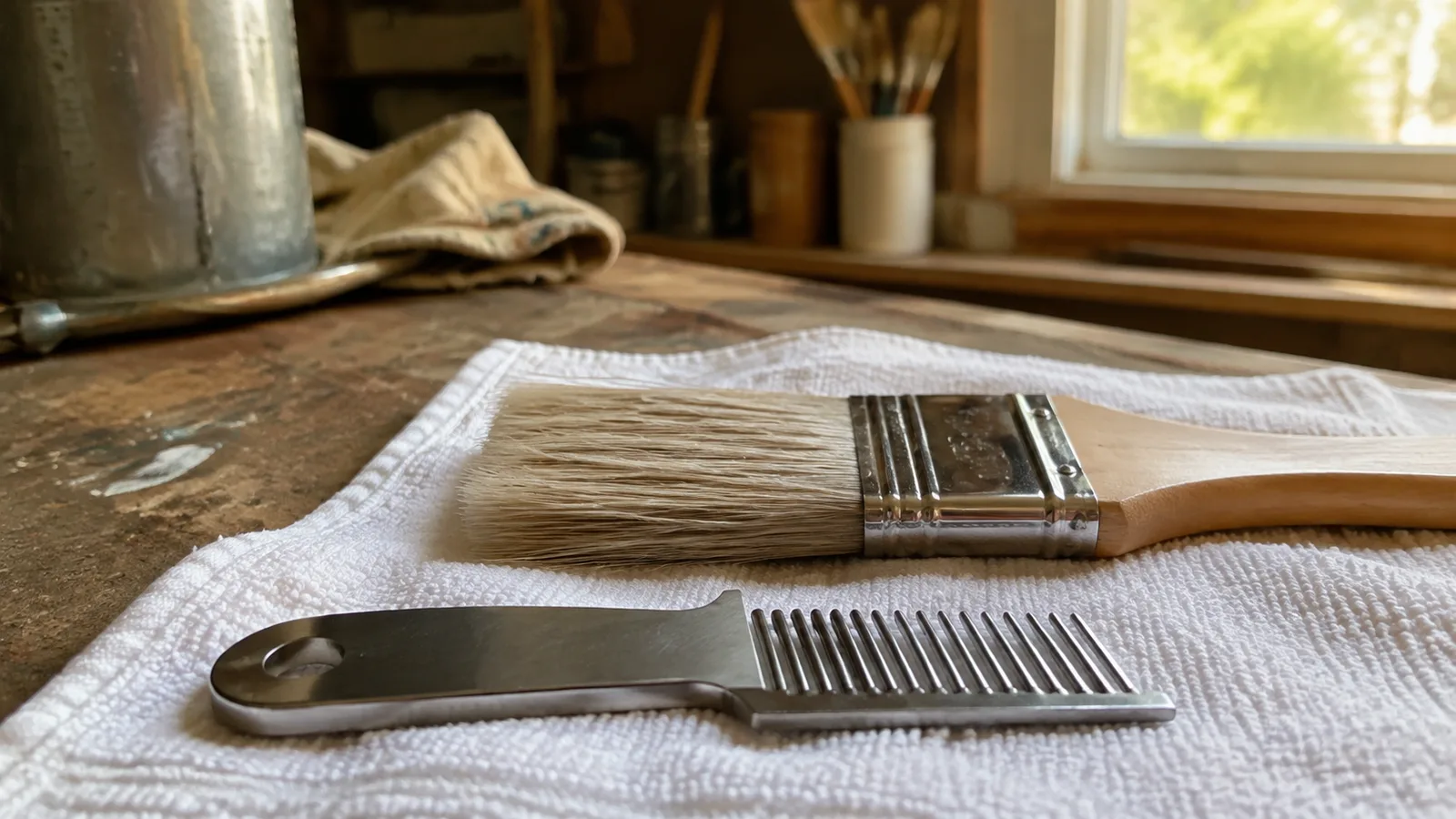
Best Brush Comb for Cleaning Paint Brushes in 2026
A real brush comb pulls dried paint out of the heel and saves expensive brushes. This guide covers the best comb to buy before your good brush hardens.
Best Brush for Painting Trim Enamel in 2026
Trim enamel needs a brush that stays crisp and releases paint evenly. These picks handle doors, baseboards, and window trim best.
Best Brush for Small Touch Ups in 2026
The best touch-up brush is small enough to stay precise without leaving ridges. These picks keep scuffs, patches, and nail-hole repairs less obvious.