
Best Paint Brush for Cutting In Ceilings in 2026
Ceiling cut-ins go bad when the brush dumps too much paint or loses the line. This guide covers the best brush for tighter wall-to-ceiling control.

AI-generated editorial illustration; not a product test photo or an exact paint color sample.
Ceiling cut-ins are all about edge control. If the brush splays too easily or dumps a bead of paint at the wrong moment, the line telegraphs across the whole room.
For most DIY painters, the smartest first buy is Purdy XL Elite Dale 2.5-Inch Angled Brush because it holds enough paint for a longer pass but still keeps the tip disciplined at the ceiling line.
Editorial buying evaluation, not a hands-on lab test. We screened product fit, merchant availability, surface match, cleanup burden, and failure risk before recommending a primary buy.
- Evaluation type
- Editorial buying screen for US DIY painters
- Primary keyword
- best paint brush for cutting in ceilings
- Primary criteria
- Surface fit, finish quality, availability, cleanup, and beginner risk
- Hands-on status
- No lab-test claim is made on this page
- SuccessPurdy XL Elite Dale 2.5-Inch Angled Brush matches the most common buyer intent for cutting in ceilings.
- NotePrices and availability can change; use the merchant button for current price and stock.
- LimitationIf your surface is damaged, glossy, damp, or previously peeling, prep work matters more than the product pick.
Why Best Paint Brush for Cutting In Ceilings Is Worth Its Own Guide
Search intent around “best paint brush for cutting in ceilings” is high because the reader is usually close to buying. They are not asking what paint is. They are deciding which tool will keep the project from looking amateur. That is why this guide focuses on finish quality, surface match, cleanup, and when a cheaper option is acceptable.
For category basics, compare retailer guidance from Lowe’s painting tools guide and Home Depot’s interior paint guide.
What To Look For Before You Buy
- Match the tool to the surface. Smooth drywall needs a different roller than brick, stucco, or orange-peel texture.
- Check cleanup requirements. A brush that keeps its shape after washing is cheaper over five projects than a throwaway brush.
- Watch the edges. Tape, brushes, and mini rollers matter most where the eye lands first: trim, corners, cabinets, and accent walls.
- Buy one backup consumable. A second roller cover or extra roll of tape is cheaper than stopping mid-project.
Best Use Cases
Use Purdy XL Elite Dale 2.5-Inch Angled Brush when the goal is clean cut-in lines around trim and ceilings. It is a strong fit for DIY painters who want a clean finish without building a full pro kit.
For a complete starter setup, pair it with our room painting guide, the roller nap guide, and how to cut in like a pro. Those three guides cover the technique side after the buying decision is made.
Common Buying Mistakes
The most common mistake is buying a kit with many weak pieces instead of two or three reliable tools. Another is using the same roller nap for every wall. A third is leaving tape on too long, then blaming the tape when old wall paint lifts.
If the surface is glossy, dirty, or patched, do the prep first. Even the best applicator cannot make paint stick to dust, grease, or sanding residue.
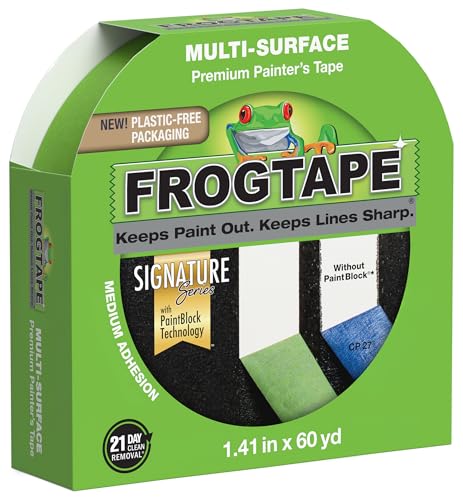
FrogTape Multi-Surface Painter's Tape
A dependable tape for DIY projects where clean paint lines matter. Press it down firmly and remove it before the final coat fully cures.
Pros
- Sharp paint lines
- Easy to find
- Works on many surfaces
Cons
- Can pull weak paint if left too long
- Costs more than basic tape
As an Amazon Associate we earn from qualifying purchases. Check Amazon for current price and availability.
Buying Checklist Before You Start
Use this quick checklist before you put anything in the cart. First, identify the surface: smooth drywall, textured wall, trim, cabinet door, exterior siding, brick, or furniture. Second, decide whether the surface needs cleaning, sanding, or primer. Third, match the applicator to the finish you want. A smooth wall needs a low-lint roller cover. Trim needs a controlled angled brush. Exterior siding may need a sprayer, but only if you are willing to mask carefully.
The cheapest product usually becomes expensive when it creates a second trip to the store. For cutting in ceilings, the better buy is the option that reduces rework. That might mean cleaner tape lines, fewer roller fibers, stronger primer adhesion, or a tool that still works after cleanup.
What To Skip
Skip bargain multi-packs when the project is visible from normal standing distance. They can be fine for primer, rough utility areas, or one-time cleanup jobs, but they are risky on doors, cabinets, accent walls, and dark colors. Also skip any product that does not match the paint type. Latex wall paint, trim enamel, cabinet paint, stain, limewash, and exterior coating all behave differently.
Best Pairings
Pair Purdy XL Elite Dale 2.5-Inch Angled Brush with clean prep, the right sheen, and enough dry time. If you are painting walls, read how to paint a room. If edges matter, use how to cut in like a pro. If the color is dark, review paint over dark walls before buying the finish coat.
Price And Availability Notes
We avoid guaranteed price claims because affiliate merchants update pricing and stock constantly. Treat every price as current only on the merchant page. For paint gallons and big exterior tools, Home Depot or Lowe’s often make more sense than Amazon because local pickup, tinting, and returns matter. For brushes, tape, roller covers, and small supplies, Amazon is often faster and easier.
Bottom Line
For cutting in ceilings, buy for control first and speed second. Purdy XL Elite Dale 2.5-Inch Angled Brush is the best place to start, then add prep supplies around the specific surface.
FAQ
What is the first thing to buy for cutting in ceilings? Start with the item that affects finish quality the most: Purdy XL Elite Dale 2.5-Inch Angled Brush. Then add tape, drop cloths, and prep supplies based on the room or surface.
Should beginners use budget tools? Use budget tools for one-time prep, but avoid the cheapest brush, roller cover, or tape. Those three items touch the final finish directly.
How do I avoid wasting money? Buy the product that matches the surface, not the most expensive option. Smooth drywall, cabinets, textured exterior siding, and furniture all need different tools.
When should I hire a pro instead? Hire a pro when the project involves lead paint, tall exterior work, major rot repair, or a finish where sanding and dust control need professional equipment.

Founder & Editor-in-Chief
Ethan Carter is the Founder and Editor-in-Chief. He leads the editorial vision and oversees the overall quality of every guide, comparison, and recommendation. He is responsible for setting editorial standards, selecting key content priorities, and validating the consistency and reliability of buying-guide comparisons.
Related Articles
Best Brush Comb for Cleaning Paint Brushes in 2026
A real brush comb pulls dried paint out of the heel and saves expensive brushes. This guide covers the best comb to buy before your good brush hardens.
Best Brush for Painting Trim Enamel in 2026
Trim enamel needs a brush that stays crisp and releases paint evenly. These picks handle doors, baseboards, and window trim best.
Best Brush for Small Touch Ups in 2026
The best touch-up brush is small enough to stay precise without leaving ridges. These picks keep scuffs, patches, and nail-hole repairs less obvious.