
Best Paint Edgers for Clean Lines in 2026: 3 Worth Buying
Paint edgers can save time on long wall runs, but only a few leave a clean enough line to replace tape. These are the models worth buying.

AI-generated editorial illustration; not a product test photo or an exact paint color sample.
Paint edgers are not magic. A good angled brush still gives the sharpest line around trim, ceilings, and inside corners. But if you are painting multiple rooms, a solid edger can speed up long wall-to-ceiling runs and reduce how much tape you need.
The mistake is buying the cheapest pad and expecting pro results. Cheap edgers overload with paint, smear at corners, and leave fuzzy lines. The three picks below are the ones we would consider for real projects.
How an Edger Works
A paint edger combines a small foam or fabric pad with a set of guide wheels along one or two edges. The wheels roll directly on the ceiling or trim surface while the pad applies paint to the wall — keeping paint off the adjacent surface without tape. The mechanics are simple, but loading discipline is everything.
Overload the pad and paint migrates behind the guide wheels, leaving a smeared trail on the ceiling. Underload it and the edge streaks halfway through a pass. The correct load is a light, even coat: dip the pad, roll off excess on the tray ramp, then wipe both guide wheels clean with a rag before each pass. That 10-second habit is the difference between a clean line and a touch-up job.
Edgers work best on flat adjacent surfaces. Smooth drywall ceilings and painted trim are ideal. Textured or popcorn ceilings break the wheel contact, causing erratic lines — use a brush instead.
Quick Verdict
| Pick | Best For | Who Should Buy It |
|---|---|---|
| Shur-Line Paint Edger Pro | Most DIY rooms | Homeowners painting walls and ceilings |
| Accubrush MX | Fast straight runs | Large rooms, rentals, repeat projects |
| Wagner Smart Edge Roller | Corners and trim speed | People who hate taping baseboards |
Best Overall: Shur-Line Paint Edger Pro
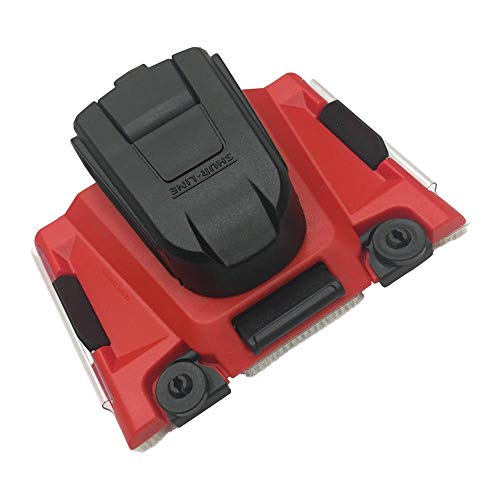
Paint Edger Pro
The Shur-Line Pro is the safest first buy. It works best when you lightly load the pad, keep the wheels clean, and use it for straight ceiling lines instead of tight inside corners.
Pros
- Affordable enough for one project
- Easy to control on ceiling lines
- Replacement pads are widely available
- Good balance for beginners
Cons
- Pads need careful loading
- Not as crisp as a premium brush in corners
As an Amazon Associate we earn from qualifying purchases. Check Amazon for current price and availability.
Buy this if you want a low-risk tool for one or two rooms. It will not replace a brush everywhere, but it can cut the most repetitive part of the job: the long, straight edge where wall meets ceiling.
Fastest for Long Runs: Accubrush MX
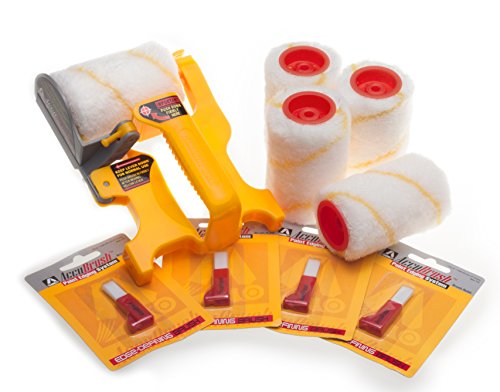
MX Paint Edger
The Accubrush makes sense when speed matters. It covers more area per pass than a pad edger, but you need a steady hand and a few test passes before trusting it on a visible wall.
Pros
- Roller-style coverage is faster than a pad
- Useful on large rooms
- Guide keeps the edge consistent
Cons
- Learning curve
- Bulkier near tight trim
- Costs more than simple pad edgers
As an Amazon Associate we earn from qualifying purchases. Check Amazon for current price and availability.
This is the one to buy if you paint often or have a rental, basement, hallway, or open-plan room where the edge line runs for dozens of feet.
Best for Trim Haters: Wagner Smart Edge Roller
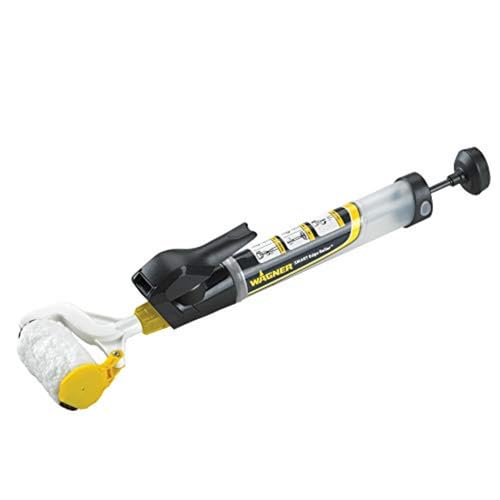
Smart Edge Roller
Wagner's edge roller is more useful near trim than ceilings. If your least favorite part of painting is crawling along baseboards with tape, this is the most practical option.
Pros
- Works well along trim runs
- Less dipping than a small brush
- Good for touch-up projects
Cons
- Not ideal for textured ceilings
- Needs cleaning immediately after use
As an Amazon Associate we earn from qualifying purchases. Check Amazon for current price and availability.
Edger vs Tape vs Cut-In Brush
Each method has a real use case. Choosing wrong costs time.
Paint edger: Fastest on long, straight runs where the adjacent surface is flat. Wall-to-ceiling on smooth drywall is the sweet spot. Weak at inside corners and useless on popcorn or heavy texture ceilings where the guide wheels lose contact. Good read before you decide: how to cut in like a pro.
Painter’s tape: Gives the sharpest line of any method — when applied correctly. Press the edge firmly with a putty knife to seal against bleed, and pull tape at a 45-degree angle while the paint is still slightly wet. The downside is time: taping a full room takes longer than cutting in with a brush. On textured walls, even well-applied tape can bleed. See our best painter’s tape buying guide for which brands seal reliably on different surfaces.
Angled cut-in brush: The professional standard. An experienced painter with a good 2.5-inch angled brush is faster than tape and cleaner than most edgers. The trade-off is practice — inconsistent pressure causes wobbles, and brush marks can show in raking light if technique is poor. Review how to avoid brush marks before relying on freehand cutting.
The honest summary: use an edger for long flat runs when you want speed without taping every inch, use tape when the color contrast is high and the line must be sharp, and use a cut-in brush when you have the skill or are working near uneven surfaces an edger cannot track.
When You Should Not Use a Paint Edger
Skip the edger and use a 2.5-inch angled brush if the wall texture is heavy, the trim is uneven, the ceiling has popcorn texture, or the line is highly visible in natural light. Edgers need a reasonably flat surface to track cleanly.
For dark colors, we still prefer brush plus tape. Dark paint shows every wobble, and the time saved by an edger disappears if you spend 30 minutes touching up the line.
Pro Buying Advice
Replacement pads matter more than the handle. If the tool has no easy-to-find refill pads, do not buy it. A dirty or worn pad is the fastest way to create a ragged line.
Load the edger from a tray, not directly from the can. Dip lightly, roll off excess paint, and wipe the guide wheels before every pass. Most “bad edger” results are actually overloaded pad results.
Frequently Asked Questions
Why is my edger leaving paint on the ceiling? The guide wheels have paint on them. Wipe both wheels clean with a damp rag before every pass. Overloaded pads are the other cause — if paint is pooling at the edge of the pad before you even touch the wall, roll off more on the tray ramp. A properly loaded pad should look barely damp, not wet.
Can I use an edger with a popcorn or textured ceiling? No. Guide wheels need continuous contact with the adjacent surface to hold the pad away from it. Popcorn texture breaks that contact unpredictably, and paint will transfer onto the ceiling in patches. The only reliable methods on textured ceilings are a cut-in brush freehand or painter’s tape pressed firmly at every bump.
How do I clean and store an edger? For latex paint, rinse the pad under warm water immediately after use and work the paint out with your fingers — do not let it dry in the pad. The guide wheels can be wiped with a damp cloth. Store the edger with the pad face up or hanging so the foam or fabric does not compress flat. Replace pads when they no longer hold a clean edge; worn pads are the leading cause of ragged lines.
Our Verdict
For most readers, buy the Shur-Line Paint Edger Pro and keep a Purdy angled brush nearby for corners. If you paint often, step up to the Accubrush MX for long straight runs. If baseboards are your pain point, the Wagner Smart Edge Roller is the better fit.
Related next step: read our best paint brushes guide before buying the brush you will use to finish the corners.
Related Reading

Home & Outdoor Reviews Editor
Ava Brooks is the Home & Outdoor Reviews Editor. She covers major product categories including tools, furniture, lawn and garden equipment, and practical home accessories. Her goal is to simplify product research with clear comparisons, useful buying guides, and straightforward recommendations for everyday use.
Related Articles
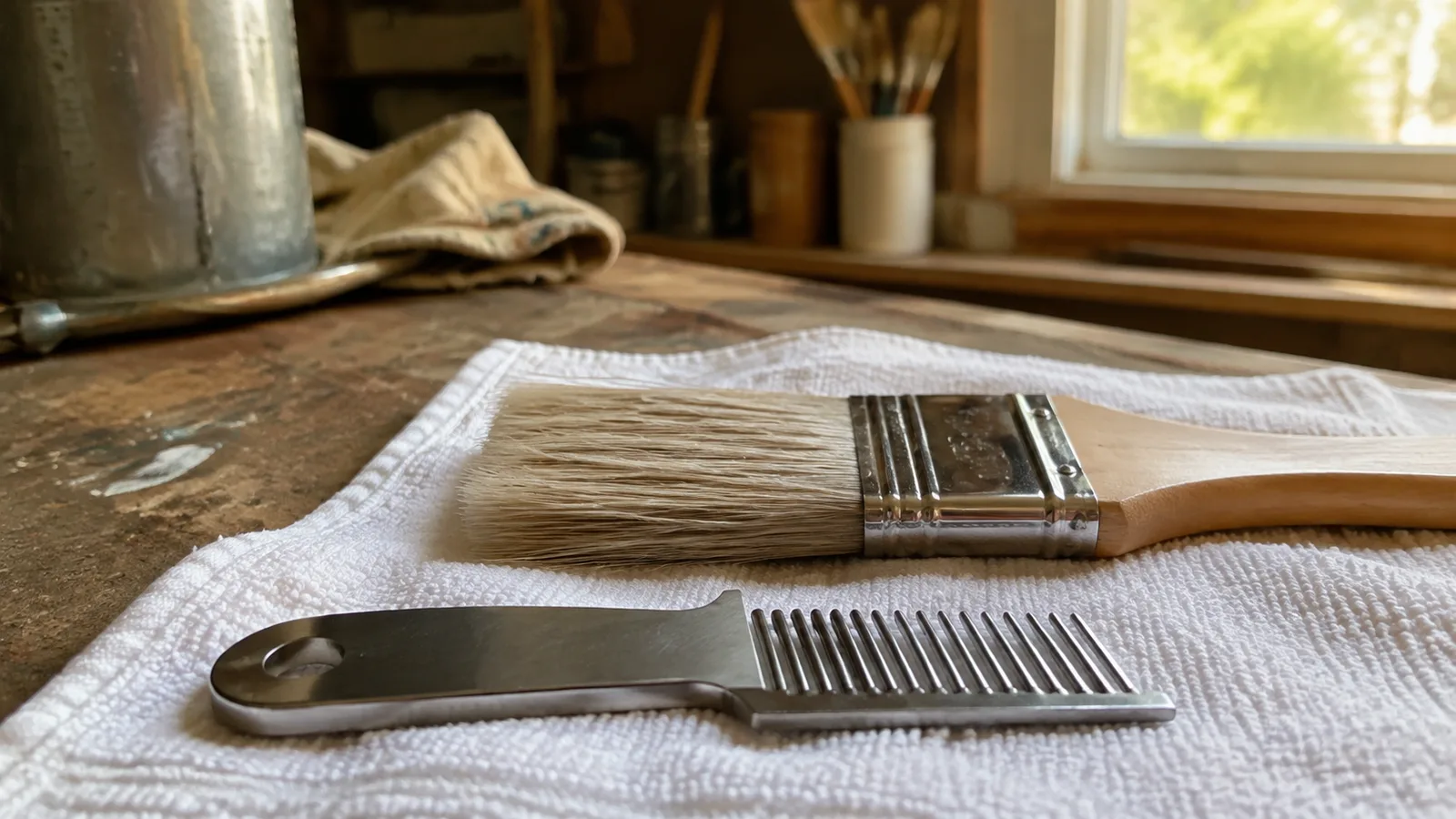
Best Brush Comb for Cleaning Paint Brushes in 2026
A real brush comb pulls dried paint out of the heel and saves expensive brushes. This guide covers the best comb to buy before your good brush hardens.
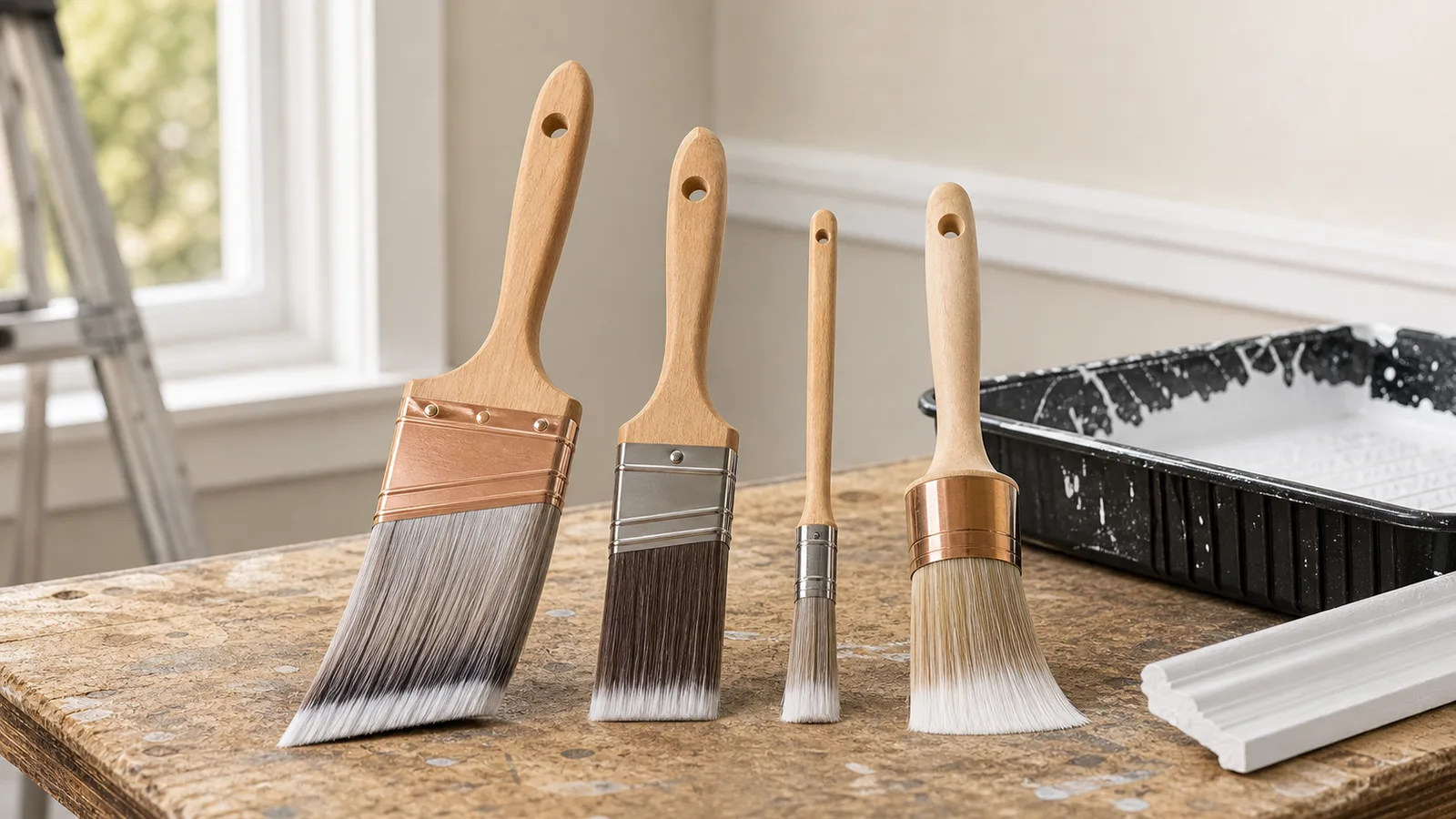
Best Brush for Painting Trim Enamel in 2026
Trim enamel needs a brush that stays crisp and releases paint evenly. These picks handle doors, baseboards, and window trim best.
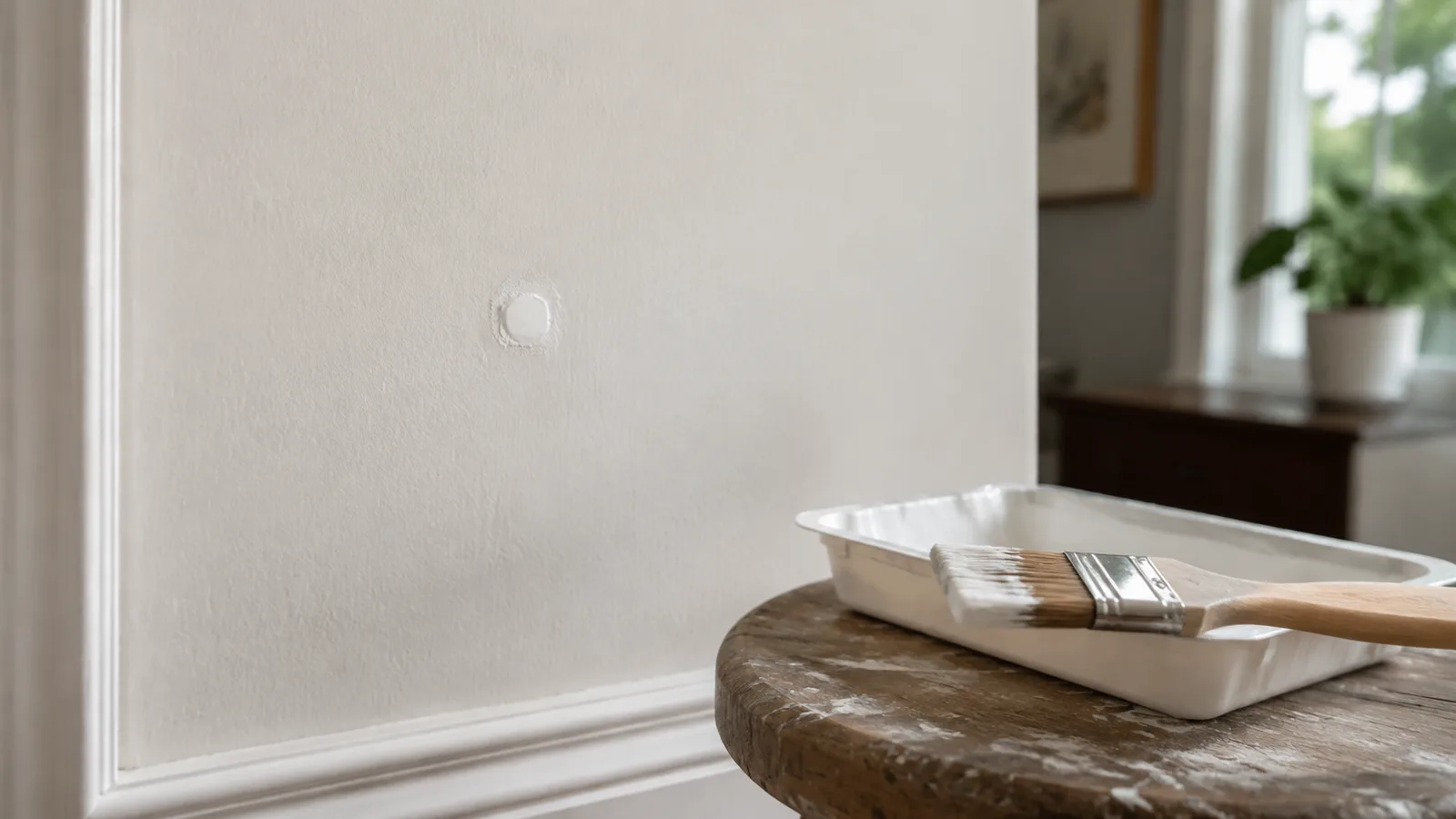
Best Brush for Small Touch Ups in 2026
The best touch-up brush is small enough to stay precise without leaving ridges. These picks keep scuffs, patches, and nail-hole repairs less obvious.